Crypto Myths and Realities in November 2025: Rollups, Airdrops, and Exchange Risks
When it comes to crypto myths, false beliefs about blockchain technology that mislead investors and users. Also known as crypto scams or misconceptions, these myths drive poor decisions, wasted money, and broken trust in the space. In November 2025, the most dangerous myths weren’t about Bitcoin going to $1 million—they were about fake airdrops, phantom exchanges, and scaling solutions that promised the world but delivered nothing.
Take rollups, a blockchain scaling technique that batches transactions off-chain to reduce fees and increase speed. Also known as ZK-rollups and optimistic rollups, they’re the reason DeFi and gaming are finally becoming affordable. But not every project calling itself a "rollup" actually uses one. Many are just rebranded tokens with zero technical innovation. Real rollups like those used by Arbitrum and zkSync cut fees by 90%—while fake ones just charge you more for nothing. Then there’s the airdrop, a free distribution of crypto tokens to attract users. Also known as token giveaways, they used to be a way to bootstrap communities. Now, 8 out of 10 "airdrops" listed on CoinMarketCap are scams. TacoCat, ZeroHybrid, PNDR—they all promised free tokens but had no team, no code, and no future. The only ones worth your time are those tied to real protocols like Coreum or Hop Protocol, which actually move value. And don’t get fooled by exchanges. Purple Bridge, BTB.io, INRTOKEN—these names sound legit, but they have no users, no audits, no support. Meanwhile, real players like Swiss banks and OKX offer regulated custody, staking, and trading under strict oversight. You don’t need a new exchange. You need a secure one.
Behind every fake token is a deeper issue: decentralized identity, a system that lets you own your online data without relying on corporations. Also known as DIDs and verifiable credentials, it’s the missing piece that could stop scams before they start. Imagine being able to prove you’re not a bot before claiming an airdrop—or verifying an exchange’s license before depositing funds. That future is here, but only if you know how to look for it. This archive collects everything that mattered in November 2025: the rollups that actually work, the airdrops you should ignore, the exchanges that vanished overnight, and the legal frameworks—like Wyoming’s SPDI charters—that are changing the game. No fluff. No hype. Just what’s real, what’s risky, and what you need to know to stay safe.
 29 Nov
How Rollups Drastically Cut Blockchain Transaction Costs
Rollups slash blockchain transaction fees by batching hundreds of transactions off-chain and posting only one proof to the main network. Discover how they make crypto affordable and what they mean for DeFi, gaming, and NFTs.
 28 Nov
GDEX Crypto Exchange Review: What You Need to Know Before Using GDex.Pro, GreenDex, or DexFi Governance
GDEX refers to three separate crypto platforms - GDex.Pro, GreenDex, and DexFi Governance - all with poor liquidity, no real trading volume, and no regulatory backing. Avoid them in favor of proven exchanges like Uniswap or Coinbase.
 27 Nov
Sologenic SOLO Airdrop: How It Worked, Who Got Paid, and What’s Next in 2025
The Sologenic SOLO airdrop ended in 2021 for XRP holders. In 2025, a new Coreum airdrop rewarded existing SOLO token holders. Learn how it worked, who got paid, and what’s next for the platform.
 26 Nov
What is KingDeFi (KRW) crypto coin? Real use, risks, and why it's not DeFi
KingDeFi (KRW) is a crypto token with no real DeFi usage. Despite claims of yield optimization, its TVL is under $1,000 and its KRW symbol causes trading errors. It's a speculative asset, not a functional platform.
 25 Nov
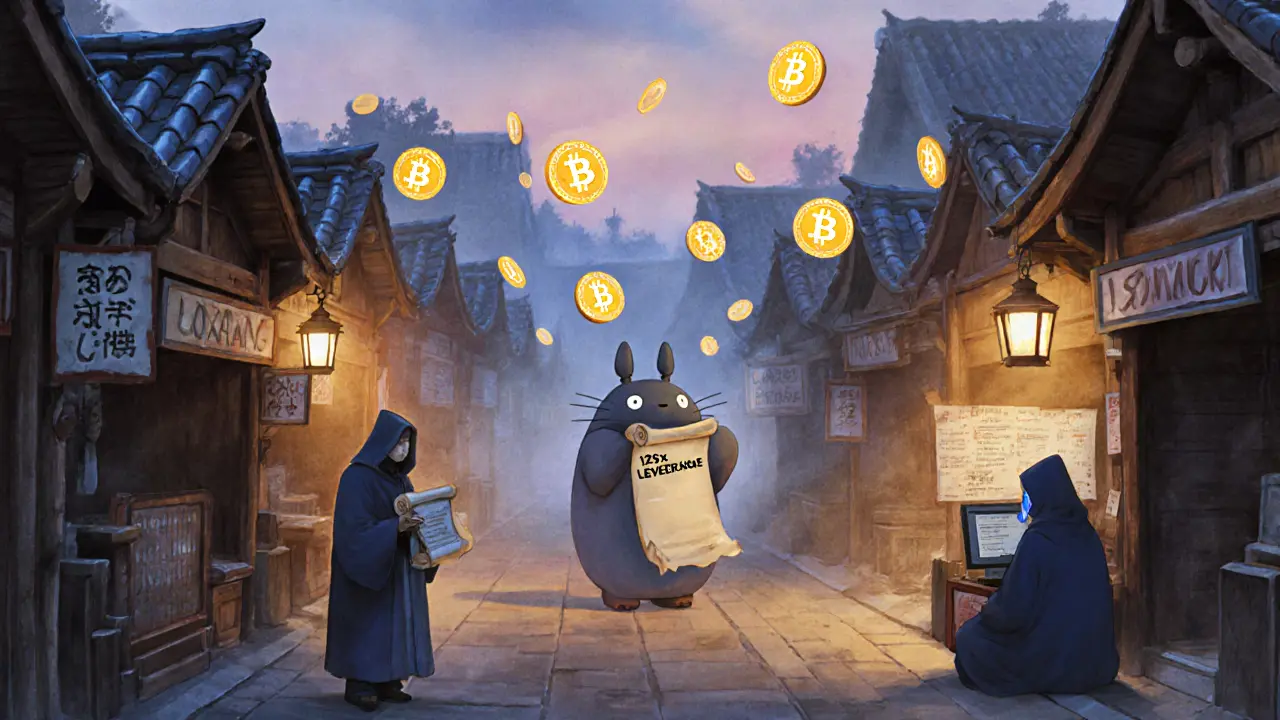
Wyoming Crypto-Friendly Laws for Blockchain Businesses: What You Need to Know in 2025
Wyoming has created the most comprehensive crypto-friendly legal framework in the U.S., offering blockchain businesses clear regulations, tax advantages, and the ability to become state-chartered banks. Discover how SPDI charters, Series LLCs, and the new WYST stable token are reshaping digital asset law.
 24 Nov
Fairdesk Crypto Exchange Review: Features, Shutdown, and What Happened to User Funds
Fairdesk was a high-leverage crypto exchange that shut down in November 2024. This review covers its features, why it failed, what happened to user funds, and safer alternatives.
 22 Nov
Swiss Bank Cryptocurrency Services and Custody: How Swiss Banks Lead in Secure Digital Asset Storage
Swiss banks lead the world in secure, regulated cryptocurrency custody with institutional-grade security, legal clarity, and full banking integration. Discover how top Swiss banks like Sygnum and Bitcoin Suisse protect digital assets and offer staking, lending, and trading under strict financial oversight.
 21 Nov
MonoSwap v3 (Blast) Crypto Exchange Review: Low Liquidity, Zero Fees, and Big Risks
MonoSwap v3 (Blast) offers zero trading fees but has almost no liquidity, zero user activity, and a trust score of 0. It's a high-risk experiment on a weak blockchain - avoid unless you're testing with money you can lose.
 20 Nov
What is Hop Protocol (HOP) Crypto Coin? A Simple Guide to the Ethereum Layer-2 Bridge
Hop Protocol (HOP) is a decentralized bridge that lets you move crypto like ETH and USDT between Ethereum Layer-2 networks in minutes, not days. Learn how it works, why it's trusted, and who uses it.
 19 Nov
How Liquidity Mining Rewards Work in DeFi
Liquidity mining lets you earn crypto rewards by providing trading liquidity to DeFi platforms. Learn how it works, the risks like impermanent loss, and how to start safely in 2025.
 18 Nov
What is ShibaDoge (SHIBDOGE) crypto coin? The truth about this meme coin
ShibaDoge (SHIBDOGE) is a forgotten meme coin that tried to combine Dogecoin and Shiba Inu. With no development, tiny liquidity, and zero community, it's not a viable investment - just a cautionary tale.
 17 Nov
Korean Crypto Trading Restrictions and Rules: What You Must Know in 2025
South Korea enforces strict crypto rules: only four licensed exchanges, mandatory real-name verification, 20% tax on profits over ₩2.5M, and no anonymous trading. Learn how to trade legally in 2025.