Cryptocurrency Explained – Your Gateway to the Crypto World
When working with Cryptocurrency, a digital asset secured by cryptographic techniques and recorded on a blockchain. Also known as digital money, it enables peer‑to‑peer transactions without banks and powers a whole ecosystem of decentralized services.
One key piece of that ecosystem is Tokenomics, the economic design behind a token’s supply, distribution, and utility. Good tokenomics can boost a project’s longevity, while poor design often leads to price dumps, as you’ll see in the “Good Tokenomics Examples” article. Tokenomics influences investor decisions, shapes staking rewards, and even drives the feasibility of Airdrops, where free tokens are distributed to build community traction.
How Staking, Regulations, and Security Fit Together
Staking, locking up crypto to support a proof‑of‑stake network and earn rewards is a popular way to generate passive income, but it comes with slashing risks that can cut returns, as detailed in the “How Slashing Affects Staking Returns” guide. Staking also ties directly to Crypto Regulations, which vary by country and dictate how staking services must handle compliance, tax reporting, and AML checks. For instance, the FCA authorisation rules in the UK and India’s tax framework shape where and how you can stake safely.
Security underpins every crypto activity. Whether you’re recovering a lost wallet, protecting against scams, or navigating the complexities of mix‑services used for illicit laundering, robust security practices are non‑negotiable. The “Effective Cryptocurrency Wallet Recovery Methods in 2025” post walks you through seed‑phrase imports and professional forensic options, while the “Cryptocurrency Mixing Services and North Korea Money Laundering” article warns about the dark side of privacy tools. Together, these topics illustrate that a solid understanding of cryptocurrency, tokenomics, staking, regulation, and security creates a resilient strategy for any investor.
Below you’ll find a curated collection of articles that dive deep into each of these areas – from token‑specific deep dives like BugsCoin and Goatcoin to broader market analyses on green crypto and global adoption. Browse through to sharpen your knowledge, spot actionable opportunities, and avoid common pitfalls as you navigate the fast‑moving world of cryptocurrency.
 5 Apr
5 Apr
What is Dark Boden (DOBEN)? A Guide to the Privacy Token
What is Dark Boden (DOBEN)? Learn about this privacy-focused crypto token, its current market price, volatility, and whether it's a viable asset in 2026.
 25 Mar
What is Bnext Token (B3X) Crypto Coin? A 2026 Reality Check
An in-depth look at Bnext Token (B3X), covering its utility, zero circulating supply mystery, price history, and high investment risks in the 2026 crypto market.
 22 Mar
Grassroots Crypto Adoption Despite Government Bans
Despite government bans, grassroots crypto adoption is thriving in countries like Nigeria where inflation, currency collapse, and banking failures force people to use digital assets as a lifeline. This isn't speculation-it's survival.
 19 Mar
What is TIME ($TIME) crypto coin? Understanding the two completely different tokens with the same name
TIME ($TIME) refers to two different crypto tokens: a dying Solana memecoin with 777 billion supply and a functional Ethereum-based utility token powering cross-chain DeFi tools. Know which one you're dealing with before you trade.
 18 Mar
KLend Crypto Exchange Review: Not an Exchange, But a Misunderstood DeFi Lending Protocol
KLend is not a crypto exchange - it's a non-functional DeFi lending protocol mislabeled on CoinMarketCap. No trading, no volume, no audits. Don't send crypto here. Use Aave or Compound instead.
 13 Mar
Future of KYC in Crypto Industry: How Compliance is Reshaping Crypto in 2026
KYC in crypto has evolved from an optional step into essential infrastructure. By 2026, nearly all major exchanges require identity verification, driven by global regulations and AI-powered systems. Privacy concerns remain, but the future points toward smarter, continuous, and privacy-preserving compliance.
 3 Mar
3 Mar
Four.Meme Crypto Launchpad Review: What It Really Does (Not an Exchange)
Four.Meme isn't a crypto exchange - it's the easiest way to launch a memecoin on BNB Chain. Learn how it works, which tokens succeeded, and why you still need to build a community to win.
 26 Feb
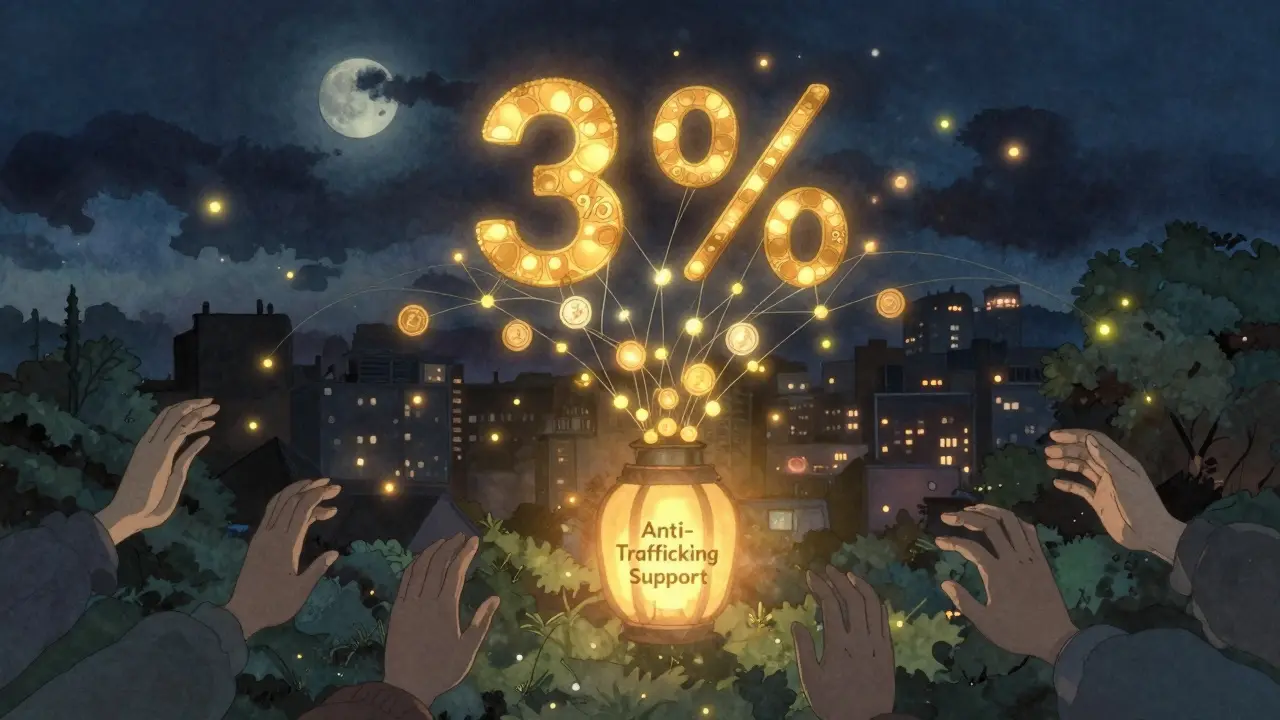
What is All Street Bets (BETS) crypto coin?
All Street Bets (BETS) is a charitable crypto token on the Base blockchain that dedicates 3% of every transaction to fight human trafficking. With a fixed 10 billion supply and high volatility, it's a high-risk project with a noble goal - but lacks transparency.
 25 Feb
Residential Proxies for Crypto Trading: How Effective Are They and What Risks Do They Really Pose?
Residential proxies help crypto traders avoid bans and run bots undetected-but they also enable fraud. Learn how they work, their real risks, and whether they're worth the cost in 2026.
 8 Feb
8 Feb
VASP Registration in United Kingdom for Crypto Businesses: What You Need to Know in 2026
VASP registration in the UK is mandatory for any crypto business targeting UK customers. Learn what the FCA requires, how to apply, common rejection reasons, and the real costs of non-compliance in 2026.
 7 Feb
7 Feb
Crypto Licensing Requirements in Philippines by SEC: What You Need to Know in 2026
The Philippines SEC now requires all crypto platforms serving Filipinos to obtain a license. Learn the strict rules, penalties, and compliance steps for 2026.
 5 Feb
5 Feb
What is CRO Trump AI (CRO) Crypto Coin? Understanding the Scam Risk
CRO Trump AI is a high-risk meme coin with no connection to Crypto.com or Donald Trump. This article explains its red flags, market data, and why experts warn against investing. Learn how to spot similar scams and protect your funds.