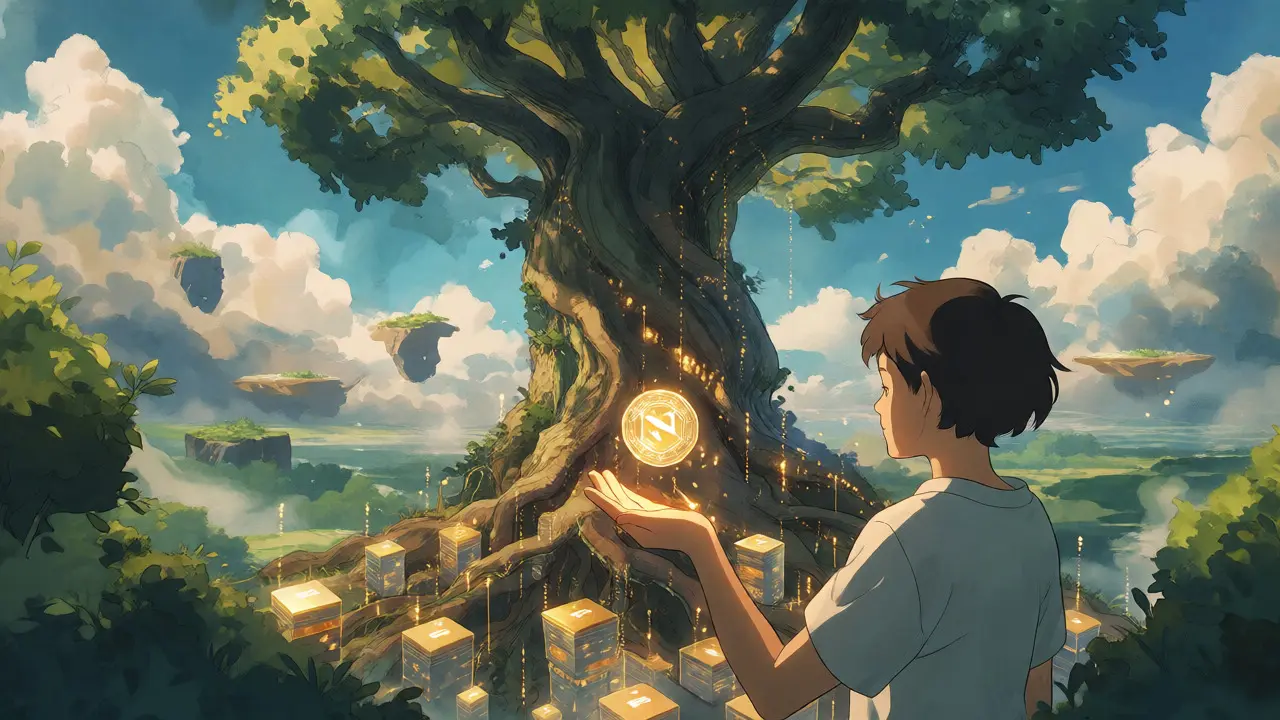
You’ve probably heard the hype. Virtual worlds where you can buy land, sell sneakers, and attend concerts without leaving your couch. But here’s the kicker: most of those "virtual" items aren’t actually yours unless they’re backed by a specific kind of tech. That tech is blockchain, and it’s what turns a video game into a decentralized economy where digital assets have real-world value.
If you’re wondering which metaverse platforms built on blockchain are worth your time (or your crypto), you’re in the right place. We’re not talking about sci-fi fantasies from ten years ago. We’re talking about live ecosystems like Decentraland and The Sandbox that are processing millions of dollars in transactions right now. But why does the underlying chain matter? And how do you choose between them? Let’s break it down.
Why Blockchain Changes Everything in the Metaverse
In a traditional game like Fortnite or Roblox, if the company shuts down servers tomorrow, your skins and lands vanish. In a blockchain-based metaverse, your assets exist on an immutable ledger. They don’t belong to the game developer; they belong to your wallet.
This shift enables three critical things:
- True Ownership: Your avatar, wearables, and virtual plots are stored as Non-Fungible Tokens (NFTs). You can trade them on open markets like OpenSea or Rarible, independent of the platform.
- Interoperability Potential: While still early, the goal is for your avatar to walk from one world to another. Standards like ERC-721 and ERC-1155 make this technically possible across different chains.
- Decentralized Governance: Instead of a CEO deciding new rules, holders of governance tokens vote on updates through DAOs (Decentralized Autonomous Organizations).
Think of it like the difference between renting an apartment and owning a house. In a centralized metaverse, you’re a tenant. In a decentralized one, you’re a landlord.
The Big Two: Decentraland vs. The Sandbox
When people talk about virtual real estate, two names dominate the conversation. Both run on Ethereum, but they serve very different crowds.
| Feature | Decentraland | The Sandbox |
|---|---|---|
| Primary Focus | Social interaction, art galleries, brand activations | Gaming, user-generated content, IP partnerships |
| Aesthetic | Realistic 3D environments | Voxel-based (Minecraft-style) |
| Token Economy | MANA (utility/governance), LAND (real estate) | SAND (utility/governance), LAND (real estate) |
| Creation Tools | Builder tool + SDK for developers | VoxEdit (asset creation) + Game Maker |
| Best For | Community hubs, events, professional networking | Game developers, entertainment brands, casual gamers |
Decentraland launched its public world in February 2020 after raising $24 million. It feels more like a digital city than a game. You can wander through streets, visit art museums, or attend a conference hosted by a major brand. Because it runs directly in your browser, there’s no heavy download required. Its governance model lets LAND and MANA holders vote on everything from parcel pricing to feature upgrades.
The Sandbox, on the other hand, leans hard into gaming. If you liked Minecraft, you’ll feel at home with its voxel aesthetic. The platform provides robust tools like VoxEdit and Game Maker, allowing users to build interactive experiences without writing code. This has attracted massive partnerships with brands like Adidas, Snoop Dogg, and The Walking Dead. Here, the focus isn’t just on hanging out-it’s on playing games you create and earning rewards while doing so.
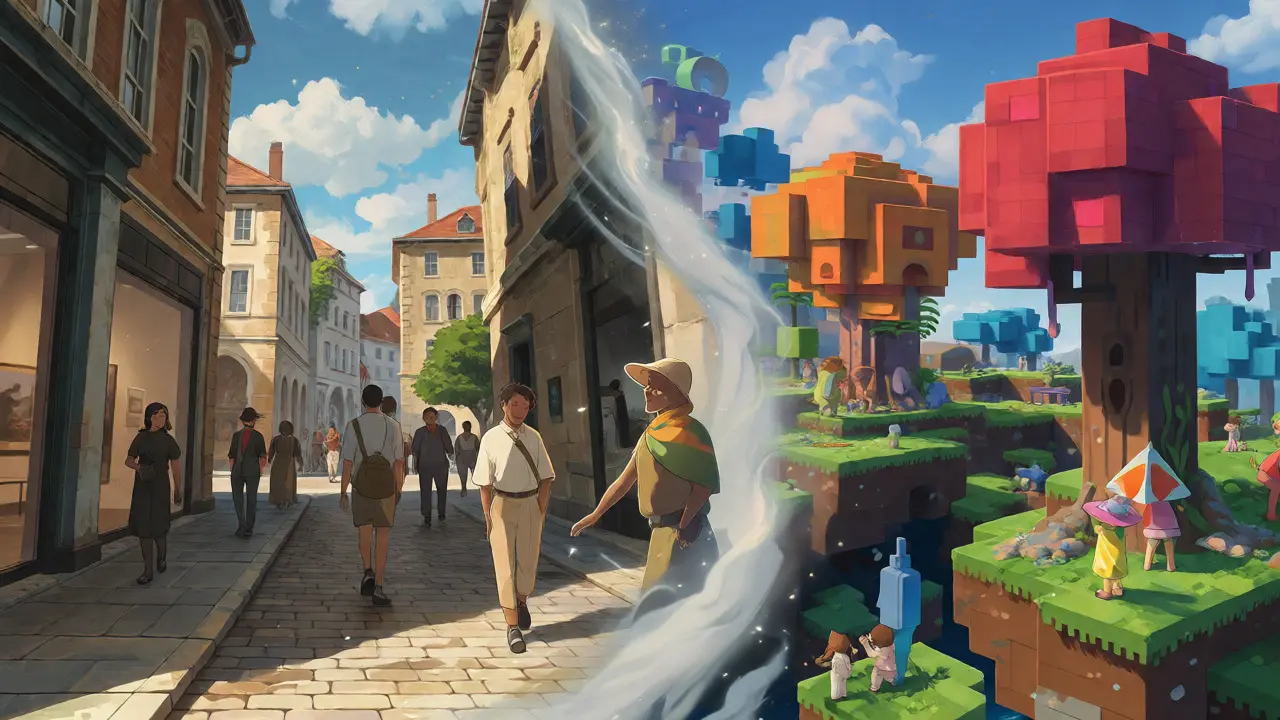
Beyond Ethereum: Other Chains Powering Virtual Worlds
Ethereum is the heavyweight champion for security and developer support, but it has a dirty secret: gas fees. During network congestion, a simple transaction can cost over $15. For a metaverse where you might buy a drink or equip a sword, that’s prohibitive. Enter alternative blockchains.
Solana has become a favorite for high-frequency interactions. Processing over 50,000 transactions per second with near-zero fees, Solana supports smoother real-time experiences. Projects like Star Atlas use Solana to handle complex space simulations without lag. However, Solana has faced reliability issues in the past, with occasional network outages. If uptime is your priority, Ethereum’s proven track record might still win, especially when using Layer-2 solutions.
Polygon offers a middle ground. As a Layer-2 scaling solution for Ethereum, it keeps the security benefits of the mainnet while slashing costs. Many newer metaverse projects launch on Polygon to avoid alienating users with high entry barriers. Similarly, Polkadot uses a parachain architecture to allow different blockchains to talk to each other. This interoperability is crucial for a future where your NFT from one world works in another.
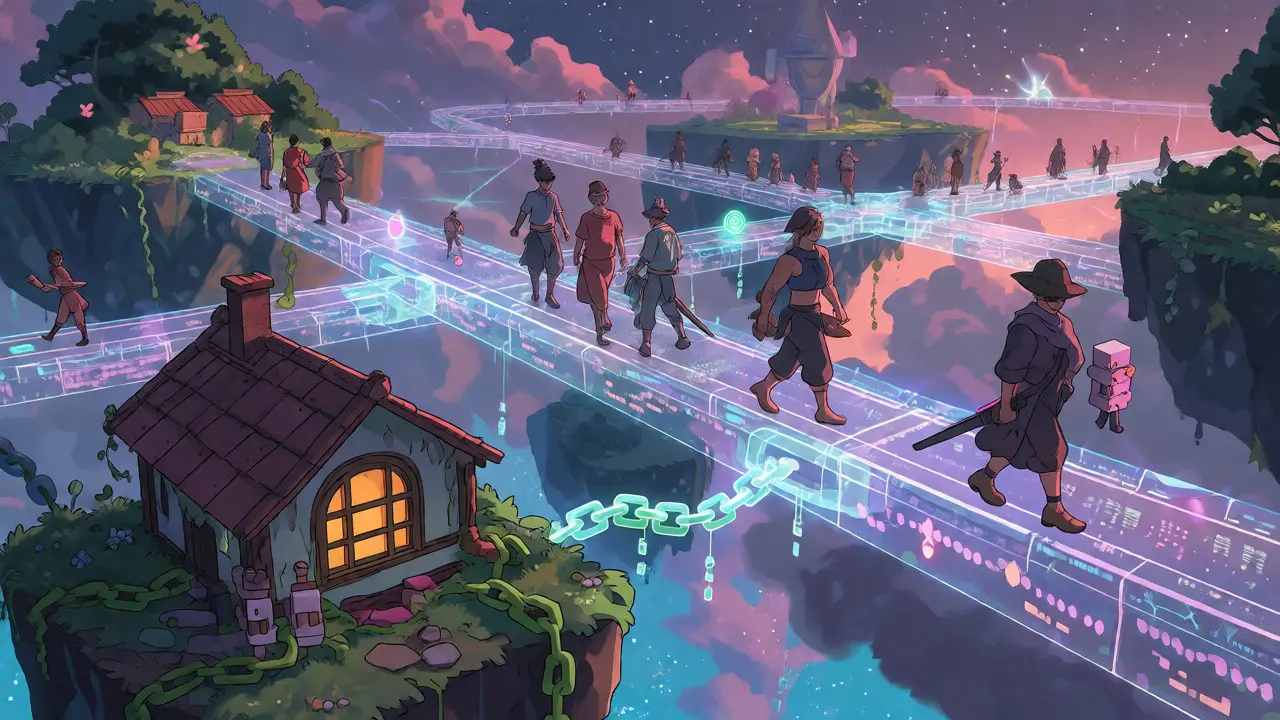
How to Start Investing or Playing
Ready to jump in? You don’t need to buy a plot of land immediately. Most platforms offer free-to-play elements or lower-cost entry points.
- Set Up a Wallet: You’ll need a Web3 wallet like MetaMask. This is your key to the kingdom. Keep your seed phrase offline and safe-lose it, lose everything.
- Fund Your Wallet: Buy the native token of the platform you’re interested in. For Decentraland, that’s MANA. For The Sandbox, it’s SAND. You can swap these on exchanges like Binance or Coinbase.
- Explore the Marketplace: Before buying land, browse the secondary markets. Look at recent sales data. Prime locations near popular event spaces command higher prices, but remote parcels can be cheap investments.
- Create or Connect: Use the platform’s builder tools to design an avatar or a small structure. Even if you don’t own land, many platforms let you rent spaces for events or exhibitions.
One pitfall to avoid: FOMO (Fear Of Missing Out). In 2021, virtual land prices skyrocketed, then crashed. Don’t buy because a celebrity tweeted about it. Buy because you see utility-maybe you want to host a business meeting, or maybe you love building games.
The Future: Interoperability and DeFi Integration
We’re currently in the "walled garden" phase of the metaverse. Your Decentraland avatar can’t easily walk into The Sandbox yet. But the technology is evolving. Standards like the Universal Scene Description (USD) and cross-chain bridges aim to break these silos.
Another emerging trend is DeFi integration. Imagine taking out a loan against your virtual real estate or earning yield on your idle tokens within the game environment. Platforms are starting to embed lending protocols directly into their interfaces, blurring the line between finance and gaming.
From my perspective watching the space evolve, the winners won’t be the ones with the best graphics. They’ll be the ones with the strongest communities and the most useful economic loops. Whether you prefer the social depth of Decentraland or the creative freedom of The Sandbox, the core promise remains the same: you own your digital life.
Do I need expensive hardware to play blockchain metaverses?
Not necessarily. Platforms like Decentraland run in standard web browsers, so any modern computer with a decent graphics card will work. High-end VR headsets enhance the experience but aren't required for basic navigation and trading.
Can I really make money in these virtual worlds?
Yes, but it's speculative. Users earn by creating and selling NFTs (wearables, art, buildings), hosting paid events, or appreciating the value of their virtual land. However, market volatility means profits aren't guaranteed.
What happens if the blockchain network goes down?
If the underlying blockchain (like Ethereum or Solana) halts, transactions stop. You can't trade assets or update smart contracts until the network resumes. However, your existing assets remain safely recorded on the ledger.
Is virtual real estate a good investment?
It depends on location and platform popularity. Land near major hubs or partner brands tends to hold value better. Treat it like early-stage venture capital: high risk, potential high reward, but illiquid compared to stocks.
How do DAOs control these platforms?
Holders of governance tokens (like MANA or SAND) propose and vote on changes. This includes treasury spending, rule modifications, and feature priorities. It shifts power from developers to the community.


0 Comments