
Imagine waking up to find your life savings locked behind a digital wall. For thousands of Iranian traders, this isn't a hypothetical nightmare-it's a Tuesday morning reality. As of late 2026, the cat-and-mouse game between international cryptocurrency exchanges and Iranian users has reached a fever pitch. If you are trading crypto from Tehran or anywhere else in Iran, relying on a simple VPN is no longer just about bypassing geo-blocks; it is a high-stakes gamble against increasingly sophisticated surveillance systems.
The stakes have never been higher. In October 2024, blockchain intelligence firms launched targeted bounty programs specifically aimed at identifying wallets linked to Nobitex, Iran's largest domestic cryptocurrency exchange. This move didn't just raise eyebrows; it triggered widespread account freezes and forced stricter Know Your Customer (KYC) protocols on users who thought they were anonymous. The question isn't whether you can connect to an exchange via a VPN anymore. The question is whether you can keep your funds when the algorithms decide your connection looks suspicious.
The Scale of Iranian Crypto Activity
To understand the risk, you first need to grasp the scale. Despite severe sanctions and regulatory hurdles, Iran remains a massive player in the global crypto scene. Between January and July 2025, Iranian users generated approximately $3.7 billion in total cryptocurrency flows. That’s a staggering amount of capital moving through digital pipes that regulators are desperately trying to monitor.
Nobitex processed over 87% of all Iranian-linked crypto transaction volume in 2025. Of the $3 billion it handled, more than $2 billion moved through the TRON network. Why does this matter? Because concentration creates vulnerability. When most of your traffic funnels through one specific blockchain and one specific exchange, it becomes significantly easier for analytics firms to spot patterns that scream "Iranian user," even if your IP address says otherwise.
| Metric | Value | Implication for Traders |
|---|---|---|
| Total Crypto Flows (Jan-Jul 2025) | $3.7 Billion | High volume attracts intense scrutiny |
| Nobitex Market Share | >87% | Single point of failure for domestic access |
| TRON Network Volume | $2 Billion+ | Easier to track due to network centralization |
| Inflow Decline (June 2025 YoY) | >50% | Detection efforts are working |
How Exchanges Detect Iranian Users Beyond IP Addresses
You might think masking your IP address with a premium VPN service solves everything. It doesn’t. Modern exchanges like Binance, a leading global cryptocurrency platform known for its strict compliance measures, use multi-layered detection techniques. They aren't just looking at where your packet comes from; they are analyzing how you behave.
Here is what they are actually tracking:
- Device Fingerprinting: Even with a VPN, your browser leaves traces. Screen resolution, installed fonts, and timezone settings often give away your true location. If your VPN shows you are in Germany, but your device clock is set to Tehran time, you’re flagged.
- Transaction Timing: Do you trade heavily during Iranian business hours? Consistent activity patterns aligned with local time zones are a red flag.
- Withdrawal Destinations: Sending funds to wallets commonly used by other Iranian users or domestic exchanges like Nobitex creates a cluster effect. Analytics tools map these connections instantly.
- Behavioral Analytics: Rapid-fire trades typical of arbitrage bots, or conversely, sporadic large transfers, can trigger manual reviews.
The sophistication here is real. In 2019 and 2020, Binance executives reportedly joked about "IRAN BOYS" dominating their platform because registration was so easy. Today, that ease is gone. After hardened anti-money laundering rules kicked in around October 2021, many traders lost access overnight. Those who relied solely on email registration without identity verification found themselves locked out of substantial holdings.

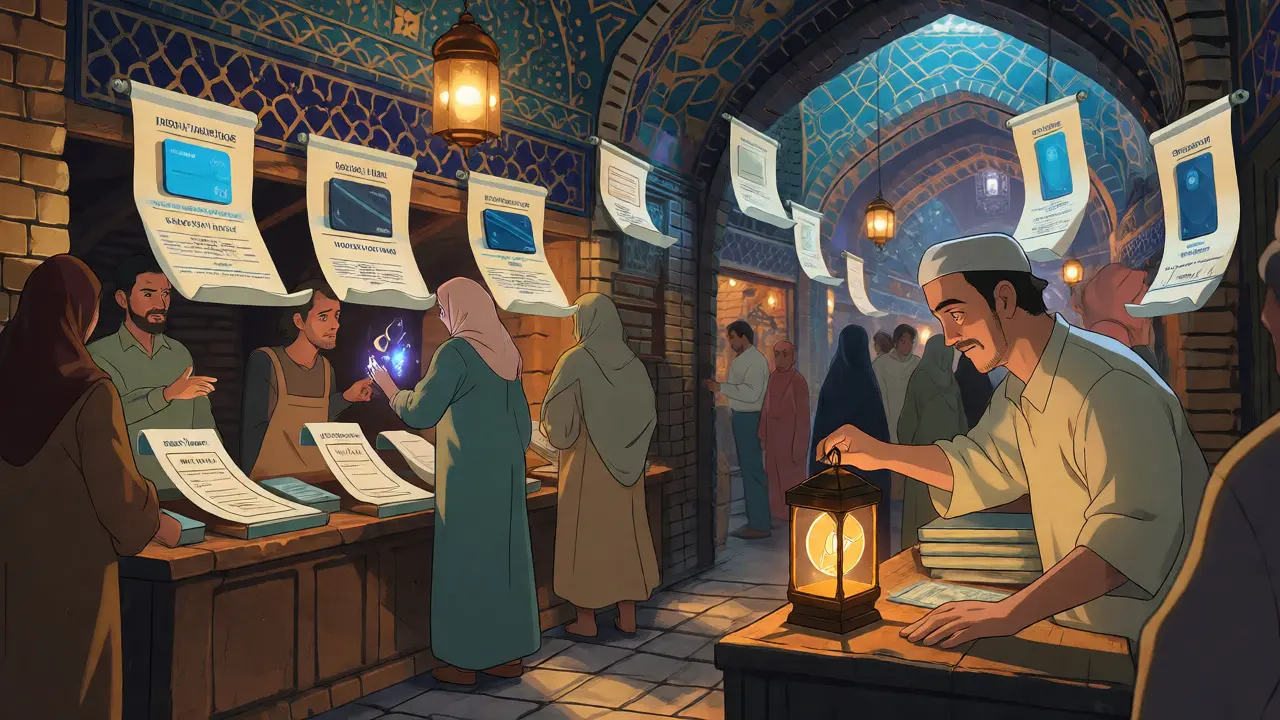
The Underground Economy of Identity Circumvention
Because direct access is blocked, a robust underground market has emerged to help Iranians participate in the global economy. These aren't just tech-savvy individuals; Nicholas Smart, Director of Intelligence at Crystal, notes that "there's a whole tranche of just very normal Iranian people who are using cryptocurrency." To support them, specialized services offer comprehensive identity packages.
These packages typically include:
- Foreign IBANs: Bank accounts in jurisdictions like Turkey or Eastern Europe to facilitate fiat on-ramps.
- Virtual SIM Cards: Essential for receiving One-Time Passwords (OTPs) required by exchanges that block Iranian phone numbers.
- Residency Documents: Authentic-looking proof of address from non-sanctioned countries to pass KYC checks.
This ecosystem allows users to present a profile that looks European or Turkish rather than Iranian. However, buying these services introduces new risks. You are trusting third-party vendors with your personal data. If a vendor sells your document scans to a competitor or a monitoring agency, your anonymity evaporates.
Risks of Free vs. Paid VPN Services
Not all VPNs are created equal, especially when dealing with financial assets. Many Iranian traders start with free VPN apps because they are cheap and accessible. This is a critical mistake.
Free VPNs often lack robust encryption protocols. Worse, some sell user bandwidth and browsing history to third parties. Imagine having your crypto trading habits sold to an analytics firm that specializes in identifying sanctioned entities. Additionally, free services suffer from congestion. A dropped connection during an active transaction exposes your real Iranian IP address to the exchange’s servers. One second of downtime can result in immediate account suspension.
Paid, reputable providers with dedicated IPs are safer, but they come at a cost. And even then, shared IP addresses can be tainted if another user on the same server engages in suspicious activity. Dedicated residential IPs are the gold standard, but they are expensive and harder to maintain long-term.
Regulatory Crackdowns and Domestic Surveillance
The threat isn't just external. Inside Iran, the government is tightening its grip. The Central Bank of Iran, the primary monetary authority responsible for regulating the country's financial system, prohibits domestic payments using cryptocurrencies. However, it allows licensed miners to sell mined coins, creating a complex legal gray area.
In January 2025, crackdowns resulted in the freezing of over one million bank accounts connected to crypto activities. The Iran Cyber Police (FATA), the cybercrime division of the Iranian law enforcement agency, has intensified operations against illegal crypto operations. They don't just look at your wallet; they look at your electricity usage. Mining farms consume massive amounts of power, and discrepancies between declared usage and actual consumption can trigger investigations.
Furthermore, trust in domestic platforms has eroded. The Nobitex security breach revealed vulnerabilities that allowed for warrantless surveillance. This revelation drove many traders to seek foreign exchanges, ironically increasing their exposure to international detection mechanisms.
Strategies for Surviving the Detection Net
If you are determined to trade, you need a strategy that goes beyond installing a VPN app. Here are practical steps to mitigate risk:
- Use Reputable Wallets: Avoid sending funds directly to unknown addresses. Use established hardware wallets to manage keys offline.
- Vary Your Activity: Don't trade at the exact same time every day. Randomize your session lengths and transaction sizes to break behavioral patterns.
- Avoid Domestic On-Ramps for Foreign Exchanges: If possible, convert fiat to stablecoins locally (via P2P markets) and then transfer those stablecoins to your foreign exchange account. This decouples your banking trail from your crypto trail.
- Monitor Exchange Policies: Terms of service change frequently. Subscribe to updates from major exchanges regarding restricted regions.
- Consider Decentralized Exchanges (DEXs): Platforms that operate on-chain require less KYC. While gas fees and liquidity issues exist, they offer a layer of privacy that centralized exchanges cannot match.
Remember, the goal is not just to access the market, but to retain control over your assets. Losing access to your account means losing access to your money, regardless of how much you earned.
Can I still use Binance from Iran?
Technically, yes, but it is risky. Binance strictly prohibits users from sanctioned countries. While you can access the site via a VPN, performing KYC with fake documents or trading actively increases the chance of account freezing. Many users report successful access only after implementing advanced identity circumvention strategies.
Why is the TRON network popular among Iranian traders?
TRON offers low transaction fees and fast confirmation times, which is crucial for frequent traders operating under economic pressure. Its popularity has led to a concentration of Iranian activity on this network, making it easier for analytics firms to identify Iranian transaction clusters compared to more fragmented networks like Bitcoin or Ethereum.
Are free VPNs safe for crypto trading?
Generally, no. Free VPNs often have weak encryption, slow speeds, and may log or sell your data. A dropped connection can expose your real IP address mid-transaction, leading to immediate account flags. For financial transactions, a paid service with a no-log policy and dedicated IP options is highly recommended.
What happens if my Binance account is frozen?
If Binance freezes your account due to suspected sanctions violations, you will likely lose access to your funds until the review is complete. This process can take months. In many cases, users are asked to provide proof of residence outside of Iran. Without valid documentation, funds may remain locked indefinitely or require withdrawal to a verified external wallet.
Is mining crypto legal in Iran?
Yes, but it is regulated. Licensed miners can legally mine and sell cryptocurrency for trade settlement. However, unlicensed mining is illegal and subject to penalties. The Ministry of Energy controls electricity allocation, and unauthorized mining can lead to equipment seizure and fines.





0 Comments