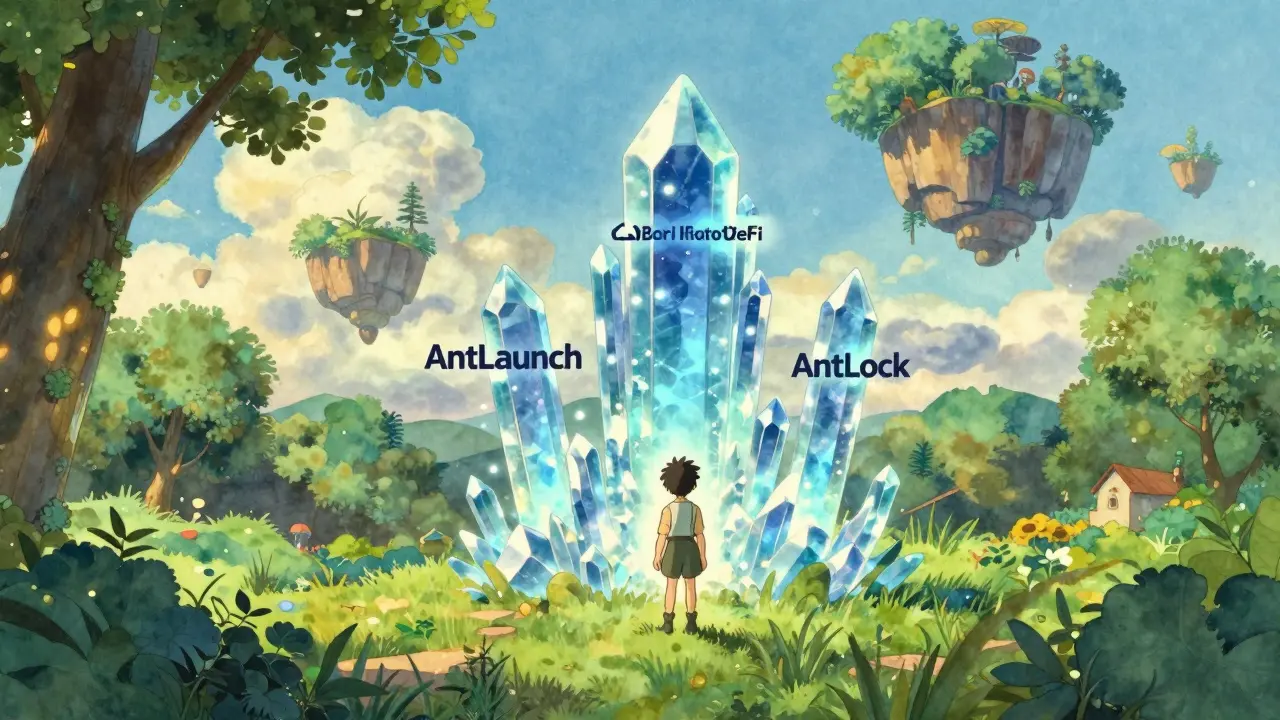
There is a lot of noise in the crypto space right now, especially when it comes to free tokens. You see posts about AntEx airdrops popping up on social media, promising easy rewards for simple tasks. But before you connect your wallet or share your private keys, you need to know exactly what this project is, how the campaign works, and whether it’s actually worth your time. The AntEx ecosystem isn’t just another meme coin; it’s a decentralized finance (DeFi) infrastructure project focused on launching new tokens securely. Understanding the details behind the AntEx Campaign a promotional distribution event offering ANTEX tokens to community members can save you from scams and help you make an informed decision.
What Is AntEx and Why Does It Exist?
To understand the value of an ANTEX token, you first have to look at the problem it solves. In the early days of DeFi, launching a new token was messy. Developers often raised funds but then abandoned their projects, leaving investors with worthless bags. This is known as a "rug pull." AntEx was built to stop this from happening by creating a transparent, trustless environment for token launches.
The project centers around two main tools: AntLaunch a decentralized launchpad platform for initial liquidity provision and IDO vesting and AntLock a smart contract service that locks tokens and liquidity to prevent rug pulls. AntLaunch acts as an Initial Liquidity Provision (ILO) launchpad. It combines fundraising, listing, and liquidity locking into one smart contract. This means when a new project raises money, the liquidity is locked automatically. Investors don’t have to hope the developer is honest; the code enforces honesty.
AntLock takes this further by allowing anyone to lock their own tokens or Liquidity Pool (LP) tokens for specific periods. If you’re a developer, locking your tokens shows you’re committed to the long term. If you’re an investor, seeing locked tokens gives you confidence that the team won’t dump everything on day one. This ecosystem aims to replace centralized launchpads with a decentralized alternative that protects both creators and backers.
How the AntEx Airdrop Campaign Works
Airdrops are marketing tools. Projects use them to build a community and distribute tokens widely so there’s no single entity controlling most of the supply. The current AntEx airdrop campaign is designed to be accessible, requiring minimal technical knowledge to participate. Here is what you typically need to do to qualify:
- Join the Telegram Channel: Most crypto projects use Telegram for real-time updates. Joining the official channel ensures you get alerts about snapshot times, claim deadlines, and security warnings. Look for the verified blue checkmark or cross-reference the link with their official website to avoid fake groups.
- Follow on Twitter (X): Following their account helps spread the word. Often, they will ask you to retweet a specific post or reply with a tag to prove you’re a human and not a bot.
- Wallet Connection: For larger distributions, you may need to connect a compatible wallet like MetaMask or Trust Wallet. Never input your seed phrase into any website. Legitimate airdrops only ask for read-only access to your public address.
The reward for these tasks has been reported as up to 2,000 ANTEX tokens in some phases. However, always check the latest terms on their official site. Airdrop rules change frequently. Some campaigns require you to hold a certain amount of tokens or complete quests on platforms like Galxe or Layer3. Make sure you read the fine print regarding eligibility dates. If the snapshot was taken last month and you join today, you might miss out entirely.

Tokenomics: Supply, Vesting, and Value
Understanding the numbers behind ANTEX is crucial for evaluating its potential. The total supply of ANTEX is capped at 100 billion tokens. As of recent data, approximately 9.78 billion are in circulation. This large supply is common in DeFi protocols because it allows for micro-transactions and widespread distribution without making each token astronomically expensive.
One critical aspect of AntEx’s history is its vesting schedule. During its Initial DEX Offering (IDO) on November 20, 2021, and subsequent funding rounds, not all tokens were released immediately. Early investors and team members often faced lock-up periods ranging from 9 to 12 months. At the Token Generation Event (TGE), only 10-15% of allocated tokens were unlocked. This vesting mechanism prevents immediate sell-offs that could crash the price. When looking at the circulating supply, remember that new tokens unlock over time, which can create selling pressure if demand doesn’t increase simultaneously.
The project raised $7.3 million during its early stages, according to reports from Cointelegraph. This capital was used to develop the AntLaunch and AntLock smart contracts, audit security, and market the platform. While raising funds is a good sign of initial interest, it also means there are stakeholders who eventually want to realize gains. Always monitor the vesting calendar to anticipate potential unlocks.
Market Performance and Price Reality
Let’s talk about the elephant in the room: the price. ANTEX has seen significant volatility since its launch. At various points, it traded with low volume and minimal price movement. Recent data shows trading volumes hovering around $74,000 daily, which is relatively low for a major DeFi protocol. This indicates that while the technology exists, mass adoption among traders is still growing.
Price predictions vary wildly across different platforms. Some analysts suggest modest growth, projecting prices between $0.0000076 and $0.000017 in 2025. Others are more conservative, noting potential declines if market conditions worsen. Long-term forecasts through 2031 show wide ranges, from bearish scenarios near zero to optimistic targets above $0.000037. These numbers are speculative and should not be taken as financial advice. The cryptocurrency market is influenced by broader trends, such as Bitcoin’s performance, regulatory changes, and overall risk appetite.
It’s important to note that a low price per token does not mean a project is "cheap" or undervalued. With a supply of 100 billion, even a small percentage increase requires billions of dollars in market cap growth. Focus on utility and adoption rather than just the price ticker. If AntLaunch becomes the go-to platform for secure token launches, the demand for ANTEX (used for fees and governance) could rise organically.

Safety First: Avoiding Airdrop Scams
With every popular airdrop, scammers create fake websites and social media accounts to steal your funds. Protecting yourself is more important than claiming free tokens. Here are strict rules to follow:
- Verify Official Links: Only use links from the official AntEx website or their verified social media handles. Do not click links sent via direct message on Telegram or Discord.
- Never Share Private Keys: No legitimate airdrop will ever ask for your 12-word seed phrase or private key. If a site asks for this, close it immediately.
- Use a Burner Wallet: Consider using a separate wallet with a small amount of funds for interacting with new protocols. Keep your main holdings in a hardware wallet or a separate software wallet that you rarely connect to dApps.
- Check Contract Addresses: Copy the token contract address from Etherscan or BscScan and verify it matches the one listed on CoinMarketCap or CoinGecko. Fake tokens often have similar names but different addresses.
If something feels off, it probably is. Legitimate projects prioritize user safety and transparency. They will have audited smart contracts and clear documentation. If the AntEx team communicates clearly and provides regular updates, that’s a positive sign. Silence or vague answers are red flags.
Is AntEx Worth Your Time?
Participating in the AntEx ecosystem offers more than just potential token rewards. By engaging with AntLaunch and AntLock, you support a solution to one of DeFi’s biggest problems: trust. If you’re a developer, these tools provide a secure way to launch projects without building complex locking mechanisms from scratch. If you’re an investor, understanding how liquidity locking works can help you identify safer opportunities in the future.
The airdrop itself is a low-barrier entry point. If you already follow crypto news and manage multiple wallets, the effort required to join Telegram and follow Twitter is negligible. However, don’t expect overnight riches. The value of ANTEX depends on the long-term success of its launchpad services. Monitor the number of projects launching on AntLaunch and the total value locked (TVL) in AntLock contracts. These metrics are better indicators of health than short-term price spikes.
When did the AntEx Token Generation Event happen?
The AntEx Token Generation Event (TGE) took place on November 21, 2021, at 21:20 UTC+3. This followed an Initial DEX Offering (IDO) held on November 20, 2021, across platforms like MEXC Global, DODO DEX, and AntLaunch.
What is the total supply of ANTEX tokens?
The total supply of ANTEX is fixed at 100 billion tokens. Approximately 9.78 billion tokens are currently in circulation, with the rest allocated for team, development, and future incentives subject to vesting schedules.
How do I protect my wallet during an airdrop?
Never share your seed phrase or private key. Use a dedicated "burner" wallet for interacting with new dApps. Verify all URLs against official sources and revoke permissions from unused apps regularly using tools like Revoke.cash.
What is AntLock used for?
AntLock is a smart contract service that allows developers and holders to lock tokens and liquidity pool (LP) tokens for specified periods. This prevents sudden sell-offs and builds trust by ensuring funds remain in the ecosystem.
Can I buy ANTEX on Binance or Coinbase?
As of the latest available data, ANTEX is not listed on major centralized exchanges like Binance or Coinbase. It primarily trades on decentralized exchanges (DEXs) and smaller platforms like MEXC Global. Always check current listings on CoinMarketCap for updated exchange availability.






Tricia Alach
May 10, 2026 AT 05:01 AMhonestly this whole thing feels like a bit of an existensial crisis for the crypto space right now
we keep chasing these free tokens but are we actually building anything meaningful or just feeding the machine
i joined the telegram channel cause why not but im still skeptical about the long term value
the article says its about trust but trust is such a fragile thing in de fi
maybe im just overthinking it but i like to ponder on the deeper implications of locking liquidity
does it really stop rug pulls or does it just make them slower and more painful
anyway ill hold my 2000 antex tokens and see what happens
hope nobody gets scammed out there
its a wild west out here
Jan Gilmore
May 11, 2026 AT 02:32 AMYou are all completely missing the point because you are looking at this from a retail perspective instead of understanding the underlying infrastructure mechanics that AntEx is providing to the market right now
The fact that AntLock allows for automated vesting schedules means that the code itself enforces compliance which removes the human element of betrayal entirely
This is not just another meme coin pump and dump scheme because the utility lies in the smart contract architecture that secures initial liquidity provision for new projects
I have been tracking the total value locked in AntLock contracts and the growth trajectory suggests that institutional adoption is inevitable once they list on a tier one exchange
Your skepticism is understandable but misguided because you are failing to recognize the technological shift towards trustless environments in decentralized finance
The $7.3 million raised was not wasted on marketing fluff but rather allocated towards rigorous security audits and development of the AntLaunch platform
If you take the time to read the whitepaper you will see that the tokenomics are designed to prevent immediate sell pressure through strategic vesting periods
Most people here are too busy complaining about low trading volumes to realize that liquidity depth takes time to build organically without artificial manipulation
I am confident that ANTEX will outperform other DeFi governance tokens because it solves a critical pain point for project creators who need to prove their commitment
Stop listening to the fear mongers and start doing your own research on the contract addresses before making any decisions
The data clearly supports a bullish thesis for anyone with the patience to wait for the next bull cycle
Education is key so go read up on how Initial Liquidity Provision differs from traditional ICOs
It is amazing how many people ignore the technical fundamentals in favor of short term speculation
Caique Muniz
May 12, 2026 AT 02:33 AMlol another guide telling us how to not get rekt by scams while promoting a token that hasnt moved in months
pretty sure the only thing being locked here is our ability to make money
antex sounds like something youd find in a discount bin at walmart
Bradley Geldenhuys
May 13, 2026 AT 12:29 PMlisten up folks because im gonna say this once and if you dont get it then maybe crypto isnt for you
this project is the future of secure launches and if you think otherwise you are just part of the problem
im tired of seeing people whine about price action when the real value is in the technology that prevents rug pulls
you want safety you want transparency then you support antex and you lock your tokens like a grown up
dont be a baby about it just connect your wallet and do the tasks
if you cant handle the volatility then stay away from defi entirely
we are building a better ecosystem here and i wont let haters stop me
get on board or get left behind thats just how it works
trust me on this one i know what im talking about
robert Whitehead
May 15, 2026 AT 00:22 AMIt is absolutely disgraceful how many people fall for these basic social media engagement tasks thinking they are contributing to the network effect when in reality they are just generating vanity metrics for the team
The entire concept of airdrops as a primary distribution method is morally bankrupt because it incentivizes bot farms over genuine community participation
I have analyzed the transaction patterns on the blockchain and it is clear that a significant portion of the claimed tokens ended up in known mixer services within hours of distribution
This proves that the campaign is not about decentralization but rather about creating artificial liquidity for early insiders to exit their positions
You should feel ashamed for participating in such a transparent attempt to manipulate market sentiment through cheap giveaways
The fact that the token price has remained stagnant despite all this hype indicates that the market has correctly priced in the lack of fundamental utility
Instead of wasting your time following twitter accounts you should be demanding full transparency regarding the vesting schedules of the team allocations
Until we see independent audits of the AntLock contracts published publicly there is no reason to trust this platform
I urge everyone to withdraw their funds immediately before the inevitable collapse occurs
Do not let greed blind you to the obvious red flags that are screaming for attention
This is not investment this is gambling disguised as innovation
Mike S
May 15, 2026 AT 22:33 PMOh wow look at everyone running around like headless chickens trying to claim their free beans
I suppose connecting a wallet to a sketchy dapp is the height of financial literacy now days
Let me guess you all think youve found the next unicorn because someone told you to retweet a post
How utterly predictable and frankly pathetic
Ive seen this same script play out a thousand times and every single time the retail investors end up holding the bag
The drama surrounding this airdrop is almost entertaining if it werent so tragic
Go ahead and celebrate your 2000 tokens worth pennies while the whales quietly accumulate
Youre exactly what the industry needs naive participants who believe in fairy tales
Keep dreaming sweet dreams
H F
May 17, 2026 AT 12:36 PMRight well I must say I am quite impressed with the level of detail provided in this guide especially regarding the security measures one should take
It is refreshing to see a project that prioritizes user safety above all else in such a chaotic landscape
I have personally verified the official links and can confirm that the process is straightforward and secure
The emphasis on using burner wallets is particularly wise and shows a deep understanding of risk management
I believe that AntEx has the potential to revolutionize how we view token launches if they continue down this path of transparency
Let us all work together to support legitimate projects and avoid those that cut corners
I am optimistic about the future of this ecosystem and look forward to seeing more updates
Michael Berggren
May 18, 2026 AT 19:33 PMThis is such a great initiative! 🌟 I love how they are focusing on solving the rug pull problem which is honestly the biggest issue in DeFi right now 😊
The idea of locking liquidity automatically is genius and gives me so much confidence in the projects launching on AntLaunch 🚀
I already joined the Telegram and followed them on Twitter because I want to be part of the community from the start 💪
Using a burner wallet is a pro tip that everyone should follow to stay safe 🔒
I am excited to see how the TVL grows over time and hope that more developers adopt this standard 📈
Thanks for sharing this detailed guide it really helped me understand the tokenomics better 🙏
Let's keep supporting each other and learning together! ✨
Kiran CS
May 19, 2026 AT 12:17 PMOne might wonder if the sheer volume of noise surrounding this particular airdrop is indicative of genuine interest or merely the desperate grasping of attention seeking entities
The notion that one can simply join a telegram group and acquire wealth is laughably simplistic and betrays a profound ignorance of economic principles
I find the entire spectacle rather tedious and beneath the dignity of serious discourse
Perhaps if the authors devoted less time to marketing gimmicks and more to substantive development we could engage in a more meaningful conversation
But alas we are stuck here watching the masses dance for crumbs
How utterly quaint.
Bijan Das
May 20, 2026 AT 10:24 AMyeah sure whatever you guys want to believe
i saw a guy lose his life savings on a fake site last week so good luck with that
not that i care really just thought id mention it
keep dreaming
Ashley Rodriguez
May 21, 2026 AT 12:10 PMi really appreciate the effort put into writing this guide because it helps people like me who are still learning about crypto navigate the space safely
it makes me feel better knowing that there are tools like antlock that can help prevent scams even though i know nothing is foolproof
i have been hesitant to connect my main wallet to any new platforms but the advice about using a burner wallet makes a lot of sense to me
i think it is important to take things slowly and not rush into claiming tokens just because everyone else is doing it
the part about checking the contract address on etherscan was really helpful because i never knew i could do that
i hope the project continues to grow and provide value to the community rather than just being a quick cash grab
thank you for taking the time to explain everything so clearly
Bridget Coogle
May 23, 2026 AT 11:59 AMgreat info thanks for sharing
always good to be careful with private keys
glad to see people looking out for each other