
Trying to pay for a coffee or rent an apartment with Bitcoin in Tehran is trickier than you might think. While Iranians are among the world's most active crypto users, the legal landscape for actually using those assets for daily payments has shifted dramatically since late 2024. It’s not a simple yes or no; it’s a complex web of state surveillance, licensed exchanges, and strict prohibitions on direct peer-to-peer transactions.
If you’re looking at the Iranian market-whether you're an expat, a trader, or just curious about how sanctions shape financial behavior-you need to understand that "allowed" means something very specific here. You can hold crypto. You can mine it (with a license). But spending it directly? That’s where the government draws a hard line.
The Current Legal Landscape: Control Over Freedom
As of mid-2026, the status of cryptocurrency in Iran is best described as "state-monitored permission." In January 2025, President Masoud Pezeshkian designated the Central Bank of Iran is the sole regulatory authority for all cryptocurrency activities within the country. This move centralized power, giving the CBI unrestricted access to user data, transaction records, and platform statistics.
This wasn't always the case. Before December 2024, the market operated in a gray zone where many exchanges functioned with limited oversight. Then, on December 27, 2024, the CBI effectively blocked all direct internet-based conversions between Rials and crypto. The panic was real. However, by early 2025, the strategy shifted from total blockage to controlled integration. Exchanges were allowed to reopen, but only if they integrated the government's own API system. This means every time you buy or sell, the state sees exactly what you did, when, and how much.
How Payments Actually Work Today
So, can you use crypto to pay for things? The short answer is: not directly. Direct peer-to-peer (P2P) payments using wallets like Bitcoin or BTC for goods and services remain effectively prohibited. If you try to scan a QR code for a Bitcoin payment at a local shop, you’ll likely find the merchant doesn’t accept it, or worse, they risk penalties for operating outside the regulated system.
Instead, the approved workflow looks like this:
- You access a licensed domestic exchange (like Nobitex or Wallet).
- You complete Know Your Customer (KYC) checks, linking your identity to your wallet.
- You convert your Rials to crypto (or vice versa) through the government-approved gateway.
- To spend the value, you typically convert back to Rials first, then use standard bank transfers or cash.
This friction is intentional. By forcing transactions through licensed hubs, the Islamic Republic of Iran aims to curb speculative bubbles and track capital flight.
Mining vs. Spending: A Critical Distinction
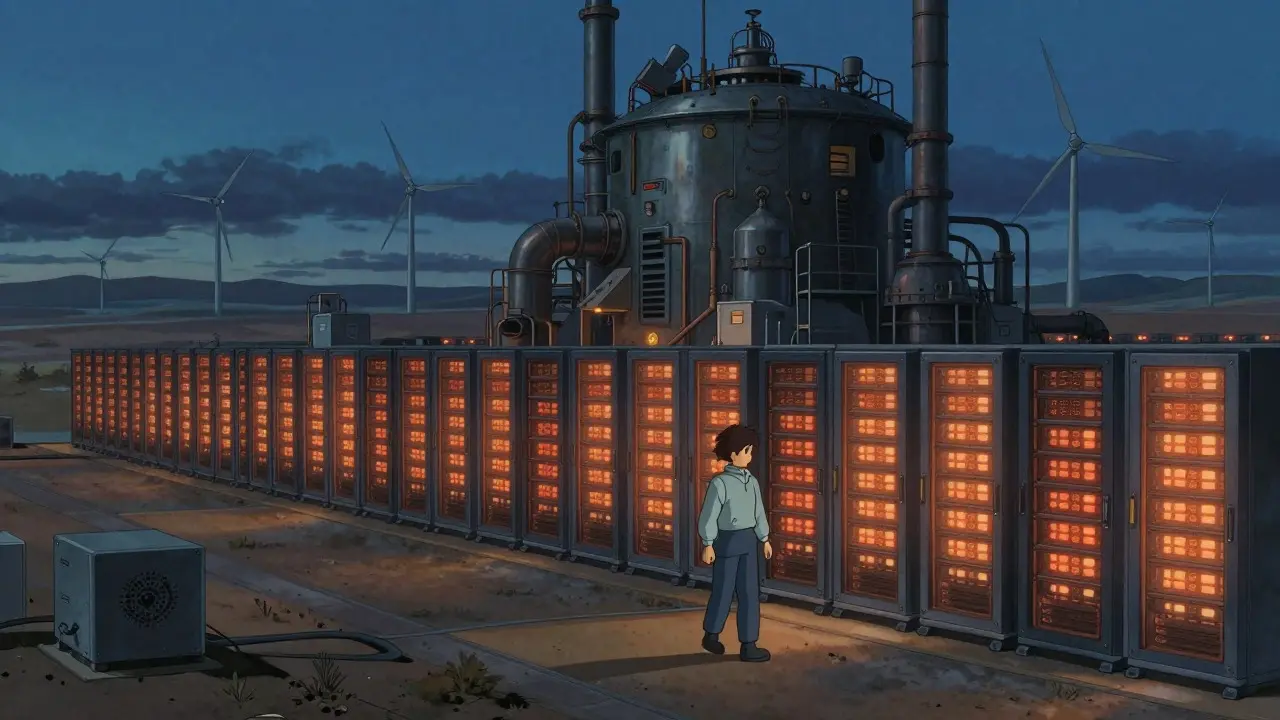
One area where Iran is surprisingly progressive is mining. Since 2019, Cryptocurrency Mining is legal, provided you have a license from the Ministry of Industry, Mine and Trade. Miners must use approved hardware and pay specific electricity tariffs. In fact, Iran accounts for roughly 4.5% of global mining activity, largely due to low energy costs.
However, there’s a catch. Licensed miners are often required to sell their mined assets directly to the Central Bank. This turns mining into a state revenue stream rather than a purely private profit center. For individual hobbyists, the high energy tariffs and licensing bureaucracy make it financially unviable, pushing much of the activity underground. Yet, legally speaking, mining is safer than trying to run a crypto-native retail business.
The Advertising Ban and Public Perception
In February 2025, the government imposed a nationwide ban on cryptocurrency advertising. No more online ads, no billboards, no social media promotions for crypto products. This is one of the strictest advertising policies globally. Why? Because the state wants to control the narrative. Unregulated hype leads to volatility, and volatility threatens the stability of the Iranian Rial, which has been under immense pressure from inflation and sanctions.
Despite the ban, awareness remains high. Many Iranians still use Virtual Private Networks (VPNs) to access foreign exchanges, bypassing local restrictions. This creates a dual market: the official, monitored domestic market and the unofficial, shadow market driven by currency hedging needs.
Sanctions Evasion and International Risks
Why does Iran care so much about controlling crypto? Partly it’s about money laundering, but mostly it’s about sanctions. Since 2017, when international sanctions cut off Iran from the SWIFT banking system, Bitcoin became a lifeline for cross-border trade. But this same utility makes it a target for international compliance actions.
In July 2025, Tether (USDT), the largest stablecoin, froze over 42 Iranian-linked addresses in its largest-ever freeze operation. More than half of these had exposure to Nobitex, a major local exchange. This signals that holding crypto in Iran isn't entirely safe from external intervention. If you’re holding significant assets, you’re exposed to both domestic regulation and international enforcement risks.
| Activity | Legal Status | Key Requirement | Risk Level |
|---|---|---|---|
| Holding Crypto | Allowed | KYC on licensed exchanges | Low (Domestic) / Medium (International) |
| Buying/Selling via Exchange | Allowed | Government API Integration | Medium (Data Surveillance) |
| Direct P2P Payments | Effectively Prohibited | N/A | High (Penalties/Confiscation) |
| Crypto Mining | Legal | Ministry License + Approved Hardware | Medium (Energy Costs/Regulation) |
| Crypto Advertising | Banned | N/A | High (Fines/Shutdowns) |

The Rise of the Digital Rial
While debating crypto restrictions, don’t forget the bigger picture: Iran is building its own Central Bank Digital Currency (CBDC), known as the Digital Rial. Unlike Bitcoin, which is decentralized and fixed-supply, the Digital Rial is fully controlled by the Central Bank. It cannot be mined, and its supply is adjustable based on monetary policy.
Pilots have started on Kish Island, aiming to reduce dependency on the US Dollar for tourism and trade. For the average citizen, this might mean a smoother, more transparent payment ecosystem in the future-but one with even less privacy than today’s crypto markets. The state wants digital payments, just not ones that escape its grasp.
What This Means for Users and Businesses
If you’re planning to operate in Iran or interact with Iranian entities, here’s what you need to know:
- For Individuals: Stick to licensed domestic exchanges for safety. Avoid large P2P transfers. Use VPNs cautiously, as they can flag your account for review.
- For Businesses: Don’t expect to integrate crypto checkout easily. The infrastructure simply isn’t there for direct acceptance. Focus on fiat conversion points.
- For Investors: Be aware of the $3.7 billion in flows recorded in H1 2025, which saw an 11% decline due to regulatory pressure. Volatility is higher here than in open markets.
The situation is fluid. Every few months, new directives drop. Keep an eye on announcements from the Central Bank of Iran, as they hold the keys to the entire system.
Can I pay for groceries with Bitcoin in Iran?
Not directly. Most merchants do not accept Bitcoin or other cryptocurrencies for everyday purchases. The standard practice is to convert crypto to Rials via a licensed exchange and then use traditional payment methods like bank transfer or cash.
Is cryptocurrency mining legal in Iran?
Yes, mining is legal but heavily regulated. You need a license from the Ministry of Industry, Mine and Trade, must use approved hardware, and often have to sell your mined coins to the Central Bank. High electricity tariffs make it difficult for small-scale miners.
Do I need a KYC check to buy crypto in Iran?
Yes. All licensed domestic exchanges require full Know Your Customer (KYC) verification. This links your national ID to your trading activity, allowing the Central Bank to monitor all transactions in real-time.
Why did Tether freeze Iranian wallets in 2025?
Tether froze 42 addresses linked to Iran in July 2025 due to international sanctions compliance. This action targeted funds potentially involved in sanctioned activities, highlighting the risk of holding stablecoins in jurisdictions under heavy international scrutiny.
What is the difference between the Digital Rial and Bitcoin?
The Digital Rial is a Central Bank Digital Currency (CBDC) controlled entirely by the Iranian government, with adjustable supply and no mining capability. Bitcoin is a decentralized asset with a fixed supply, independent of any single government, though its use in Iran is currently restricted to regulated channels.





Shawn Schaerer
August 22, 2026 AT 01:54 AMOne must observe the profound irony inherent in this regulatory framework, where the state claims to protect its citizens from volatility while simultaneously imposing the very mechanisms that ensure total surveillance. The designation of the Central Bank as the sole authority is not merely an administrative adjustment; it is a fundamental redefinition of sovereignty in the digital age, stripping the individual of the last vestiges of financial autonomy. To call this 'state-monitored permission' is to engage in a delicate understatement of what is effectively a digital panopticon. The friction introduced into the payment workflow is not accidental but a calculated barrier designed to enforce compliance through exhaustion. When the government blocks direct internet-based conversions, they are not just managing capital flow; they are asserting dominance over the narrative of value itself. The distinction between holding and spending becomes a legalistic trap for the uninitiated, forcing users into a binary choice: submit to total transparency or risk confiscation. This mirrors historical patterns where currency controls were used to consolidate power during times of economic instability. The ban on advertising further isolates the market, creating an information vacuum that only benefits those with insider knowledge. It is a system built on the premise that freedom is dangerous, and control is the only path to stability. The reliance on licensed exchanges like Nobitex creates single points of failure that are both technical and political. Every transaction is a data point in a larger dossier on the citizen's behavior. The mining sector, while technically legal, serves more as a revenue stream for the state than a viable industry for private enterprise. The energy tariffs act as a silent tax on innovation, pushing the most efficient operators underground. This creates a paradox where the legal system encourages illegality by making legality too burdensome. The result is a fragmented ecosystem where trust is placed not in the law, but in the opacity of the shadow market.
Zothana Pachuau
August 23, 2026 AT 14:17 PMOh, look at us, finally admitting that Bitcoin isn't magic money you can use to buy your morning chai.
It’s funny how everyone talks about 'financial freedom' until the government decides to put a leash on it. You think you’re being clever using a VPN to dodge the KYC checks? Cute. But remember, if Tether freezes your wallet, your 'freedom' just turned into a frozen asset with no customer support line.
Great job, Tehran. You’ve successfully made paying for groceries a bureaucratic nightmare. Who needs cash when you can spend three hours converting Rials to crypto and back again just to show off?
Tasha Davis
August 25, 2026 AT 08:21 AMThis is so important to know! I always thought you could just pay with Bitcoin anywhere now. It is great that they have a list of what is allowed and what is not. We need to be careful with our money. Let's stay safe and follow the rules!
SHIV SHANKAR KANTA
August 25, 2026 AT 20:18 PMthe soul of the market is dead
they killed it with red tape
now we just survive
Walker Perry
August 27, 2026 AT 15:31 PMThey want to track every cent because they know the people will revolt if they can’t hide their wealth from the regime. It’s all about control. No ads means no hype which means less chance of a run on the rial. Smart move actually. They are playing chess while we play checkers. Watch out for the digital rial though. That’s the real endgame. Total surveillance via currency. You won’t even need a spy if they can see your bank balance in real time. It’s terrifying but effective. The US does it too we just pretend it’s different. Anyway keep your eyes open. The next freeze could happen any day. Don’t trust the exchange don’t trust the bank. Trust nothing. That’s the only way to win here. Or maybe just leave the country. Easier that way. But who wants to leave home right? So we adapt. We use the shadows. We survive. The state is getting stronger every month. And we are getting weaker. It’s a race to the bottom. Who blinks first? Probably us. Because we are tired. They are not. They have the army. We have our phones. Good luck with that.
Gary Straiton
August 28, 2026 AT 00:39 AMLet us not forget that this is the height of modern governance. While the West stumbles under the weight of its own inefficiency, Iran has perfected the art of the digital cage. It is a masterpiece of centralized control, a testament to the superiority of strong-armed regulation over the chaotic mess of decentralized finance. One admires the boldness. To ban advertising? A stroke of genius. Why let the common man understand what he is buying when the elite can simply dictate the terms? The Digital Rial is not a threat; it is a gift. A transparent, efficient, and utterly obedient tool of statecraft. Those who complain of privacy are merely hoarders of secrets, unfit for the light of progress. Embrace the API integration. Submit to the KYC. For in submission lies the true luxury of security. The rest are just tourists in a land they do not understand. Do try to keep up.
Sonia Gomez Gomez
August 29, 2026 AT 18:05 PMYou really should double-check your sources before posting such half-baked info :P
Also, did you even read the part about the mining licenses? Most people miss that detail. It’s not just about holding coins, it’s about how you get them. Be more thorough next time. It’s embarrassing really. :-)
Calliope Clio
August 30, 2026 AT 06:28 AMMeh 🙄
Another long-winded post about a place where nothing makes sense anyway. Who reads this? Only people who enjoy suffering. The graphics are nice I guess but the content is dry as dust. Just say it’s illegal and move on. Save us the trouble. 😒
OLIVER CHRISTIAN
September 1, 2026 AT 05:02 AMGood breakdown of the current situation. One thing to add for anyone looking at the mining aspect: the electricity tariff structure is tiered and changes frequently based on grid load. If you are considering a small-scale setup, factor in the potential for peak-hour surcharges. It can eat up margins quickly. Also, the requirement to sell to the Central Bank often comes with a fixed price floor, which protects against crashes but limits upside during bull runs. It’s a trade-off many overlook. Keep an eye on the Ministry announcements for any shifts in hardware approval lists, as they tend to update quarterly. Otherwise, stick to the licensed exchanges for safety. The risk of account freezing on unlicensed platforms is higher than most realize.
Kelsey Anne
September 1, 2026 AT 06:41 AMYou missed the point.
The issue isn't legality.
It's trust.
Stop overthinking it.
Teri W
September 1, 2026 AT 20:12 PMOh my god, another article pretending to be objective while clearly pushing a pro-crypto agenda?
Look at the tone! "Trickier than you might think"? Really? It’s not tricky, it’s regulated. There is a difference. And don’t get me started on the "gray zone" comment. Gray zones are where scammers thrive. The government stepped in to clean up the mess. Of course they want to monitor transactions. That’s what governments do. They protect the economy.
But sure, let’s pretend the Central Bank is just some benevolent guardian angel helping you buy coffee. Wake up. The Digital Rial is coming and it’s going to be fine. Just accept it. Stop fighting the inevitable. It’s exhausting watching you all cling to these outdated ideas of decentralization when the world is moving forward. Just go with the flow. It’s easier. And safer. Much safer. Don’t say I didn’t warn you.
Jade Brown
September 3, 2026 AT 16:52 PMLet’s dissect the macroeconomic bleed here. The CBI’s pivot from blockage to API-integrated surveillance is a classic example of regulatory capture via technological dependency. By forcing the KYC layer onto domestic exchanges, they’ve created a chokepoint that allows for granular behavioral analytics on capital flight. The Tether freeze wasn’t just a sanctions action; it was a stress test on the resilience of Iranian-held stablecoins, revealing a systemic vulnerability in the shadow banking sector. The 11% decline in H1 2025 flows isn’t just regulatory pressure; it’s a confidence correction. Investors are pricing in the tail risk of sudden policy reversals. The advertising ban is a demand-side shock, artificially suppressing liquidity to keep the Rial from devaluing further in the short term. It’s a stopgap, not a solution. The real game is the Digital Rial pilot on Kish Island. That’s where the CBDC meets tourism revenue. It’s a closed-loop economy experiment. If it works, expect it to roll out nationally within 18 months. The mining license requirements are a smokescreen to justify state ownership of hash rate. They aren’t regulating miners; they’re nationalizing the industry. Watch the electricity tariff adjustments. That’s where the real profit margin sits. The P2P ban is less about preventing crime and more about eliminating the frictionless transfer mechanism that bypasses the SWIFT alternative. It’s a war on convenience. And wars on convenience always lose in the long run. But for now, the state holds the trump card. Data is the new oil. And they’re drilling deep.
Hicham Mounir
September 4, 2026 AT 14:34 PMMan, reading this feels like walking into a room where everyone is whispering but you can hear every word.
It’s wild how much power one API connection gives them. I mean, we talk about privacy like it’s a basic human right, but here it’s basically a luxury item you have to buy back.
I feel for the folks trying to just buy groceries without filling out a form. It’s such a simple task, yet it’s become this whole... ordeal.
And the mining thing? Sounds like a job where you work hard, get paid, and then hand the paycheck to your boss before you can even touch it.
But hey, at least they’re honest about it. No pretending it’s free. Just... managed.
I hope things get smoother for them soon. It’s tough when your money feels like it’s being watched over your shoulder all the time.
Just wanted to say, good luck to everyone navigating this maze. You’re braver than you know.