![BitcoinAsset X CoinMarketCap Airdrop: What Happened to Bitcoin Asset [OLD]?](/uploads/2026/07/bitcoinasset-x-coinmarketcap-airdrop-what-happened-to-bitcoin-asset-old.webp)
You’ve probably seen the buzz about BitcoinAsset X a cryptocurrency project that claimed to offer free tokens via a CoinMarketCap-listed airdrop, often associated with the legacy name 'Bitcoin Asset [OLD]'. Maybe you even entered your wallet details, hoping for a windfall. But here’s the hard truth: this specific airdrop is widely considered a failed or fraudulent event, and participating in it likely put your funds at risk rather than rewarding you.
If you are looking for where your tokens went, why the project vanished from major listings, or how to spot similar traps in 2026, you are in the right place. We will break down exactly what happened with the BitcoinAsset X campaign, why it carries the "[OLD]" tag on some trackers, and most importantly, how to protect yourself from these recurring schemes.
The Reality of the BitcoinAsset X Campaign
To understand why this airdrop feels like a ghost story, we need to look at how it was structured. The project marketed itself as a revolutionary bridge between traditional assets and the Bitcoin blockchain. They promised massive rewards for early adopters who simply connected their wallets or completed minor social media tasks.
However, unlike legitimate projects such as Uniswap or Arbitrum, which had transparent teams, audited code, and clear utility, BitcoinAsset X operated in the shadows. There were no whitepapers that held up to scrutiny, no known developers behind the curtain, and no functional product to speak of. The "CoinMarketCap airdrop" angle was likely a marketing trick. Projects do not just "give away" coins on CoinMarketCap; instead, they list their tokens there after gaining traction. Scammers use the CMC brand name to lend false credibility to their offers.
Many users reported that after claiming their supposed allocation, the tokens either never appeared in their wallets or became worthless instantly. This is a classic hallmark of a "rug pull" or a honeypot scam, where the smart contract prevents selling but allows buying (or claiming).
Why Is It Called "Bitcoin Asset [OLD]"?
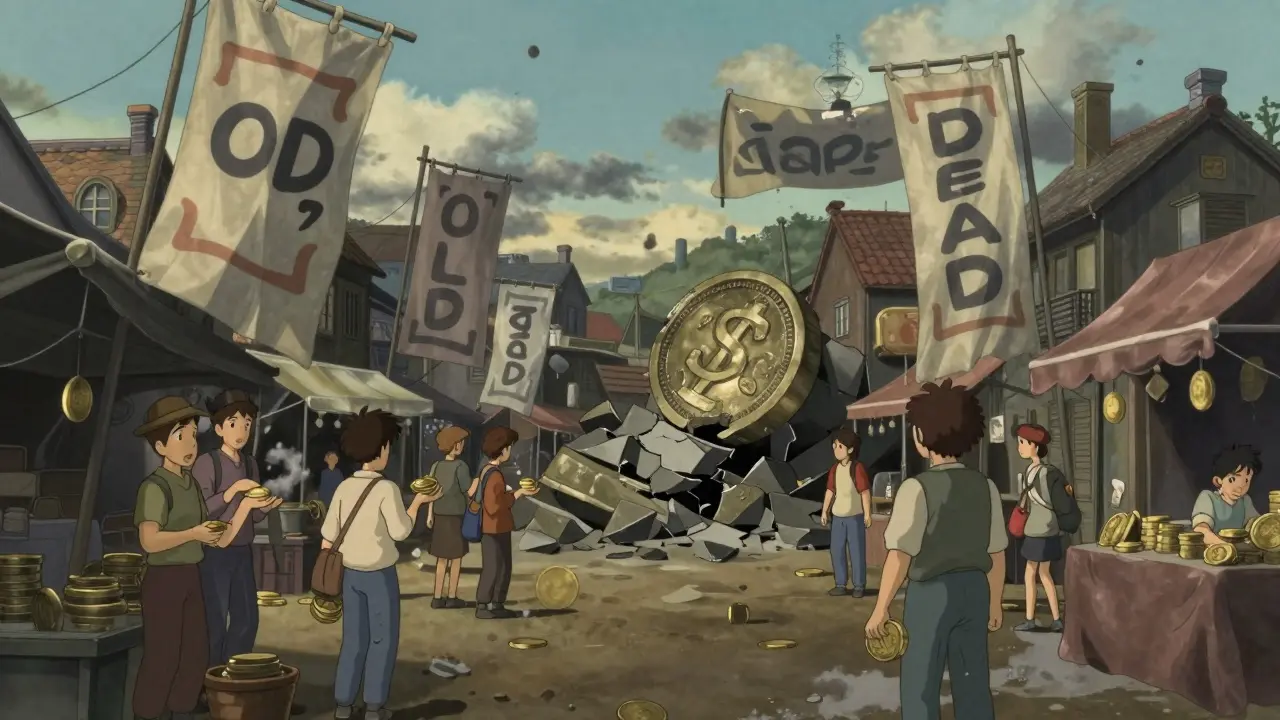
You might notice the label Bitcoin Asset [OLD] attached to this ticker on various tracking sites. This designation is crucial. In the world of cryptocurrency data aggregation, tags like [OLD], [DEAD], or [SCAM] are applied when a token has lost its liquidity, its website goes offline, or it is confirmed as a fraudulent entity.
This tag indicates that the original contract address associated with BitcoinAsset X is no longer active or relevant. Sometimes, scammers will launch a new token with a similar name to confuse victims who remember the previous hype. If you see a new listing for "BitcoinAsset X" without rigorous verification, assume it is a clone attempting to exploit the confusion caused by the original failure.
How These Airdrop Scams Work
Understanding the mechanics helps you avoid falling for the next version of this trap. Here is the typical playbook used by bad actors:
- The Hook: They promise high-value tokens for free. The value proposition is too good to be true because it is.
- The Branding: They borrow names from trusted entities like Bitcoin, Ethereum, or CoinMarketCap. This creates an illusion of safety.
- The Data Harvest: Connecting your wallet doesn't just claim tokens; it can give the attacker permission to interact with your existing assets. Some malicious contracts have drained wallets of ETH or USDT under the guise of an airdrop claim fee.
- The Disappearance: Once enough data is harvested or initial attention fades, the project team vanishes. Liquidity is pulled from decentralized exchanges, leaving holders with worthless digits.
Safety First: How to Verify Future Airdrops
In 2026, the landscape is cleaner, but scams evolve. Before you ever click "Claim," run through this mental checklist. Legitimate projects respect your security; scams demand your trust blindly.
| Feature | Legitimate Project | Suspicious / Scam |
|---|---|---|
| Team Identity | Public profiles, LinkedIn links, past work history | Anonymous, stock photos, or stolen identities |
| Audit Status | Audited by firms like CertiK, OpenZeppelin, or Trail of Bits | No audit, or fake audit certificates |
| Token Utility | Clear use case: governance, staking, fees within a working app | Vague promises of "future partnerships" or "moon shots" |
| Claim Process | Simple connection, no upfront payment required | Requires sending gas fees to unknown addresses or signing complex approvals |
| Community Reaction | Active discussion on Reddit, Twitter, and Discord with real questions | Bots flooding comments, paid influencers shilling without substance |
What To Do If You Already Participated
If you connected your wallet to the BitcoinAsset X site, take immediate action. Do not panic, but act quickly.
- Revoke Permissions: Use tools like Revoke.cash or WalletGuard to check if your wallet granted unlimited spending allowances to the BitcoinAsset X contract. Revoke any suspicious permissions immediately.
- Move Funds: Transfer your remaining assets (ETH, BTC, stablecoins) to a fresh hardware wallet or a new software wallet address. Assume your current wallet address is compromised.
- Check Transaction History: Look closely at your transaction log. Did you send any small amounts of gas to an unfamiliar address? If so, those funds are likely gone. Report the incident to your wallet provider if possible.
- Ignore Follow-Up Messages: Scammers often DM victims pretending to be support staff, offering to "refund" lost tokens if you pay a small fee. This is a secondary scam. Never engage.

The Difference Between Real and Fake Listings
A common point of confusion is the role of aggregators like CoinMarketCap or CoinGecko. These platforms do not endorse every token listed. They aggregate data based on user submissions and algorithmic criteria. A token being listed does not mean it is safe.
Real projects undergo a vetting process for premium features, but basic listings can sometimes include low-quality or risky assets. Always cross-reference. If a project claims to be "officially partnered" with CoinMarketCap for an airdrop, verify this directly on CoinMarketCap's official blog or announcements page. If it isn't there, it isn't real.
Looking Ahead: Safer Opportunities in 2026
The crypto space has matured. While get-rich-quick schemes persist, the best opportunities now come from established ecosystems. Focus on projects with:
- Proven Track Records: Protocols that have survived bear markets and bull runs.
- Decentralized Governance: Where community members vote on changes, reducing the power of single founders to rug pull.
- Transparent Treasury Management: Public dashboards showing where development funds are coming from and going to.
Instead of chasing obscure tokens like BitcoinAsset X, consider exploring airdrops from Layer 2 scaling solutions or decentralized finance (DeFi) protocols that require actual usage. These rewards are given to users who provide liquidity or vote on proposals, aligning incentives between the user and the project's success.
Is BitcoinAsset X still active?
No. BitcoinAsset X is considered inactive and likely defunct. The "[OLD]" tag on tracking sites confirms that the original contract is no longer functioning as intended or has been abandoned by its creators.
Did CoinMarketCap approve the BitcoinAsset X airdrop?
It is highly unlikely. CoinMarketCap lists tokens but does not typically host or endorse specific airdrop campaigns. Scammers often misuse the CoinMarketCap name to appear legitimate. Always verify announcements on official channels.
Can I recover tokens from the BitcoinAsset X scam?
Recovery is extremely difficult. Blockchain transactions are irreversible. If your wallet permissions were exploited, revoke them immediately to prevent further loss, but expect that already transferred funds cannot be retrieved.
What should I do if I see a new "BitcoinAsset" project?
Treat it with extreme caution. It is likely a clone or a rebrand of the same fraudulent scheme. Check for team transparency, audits, and genuine community activity before interacting with any smart contracts.
How do I revoke wallet permissions safely?
Use reputable third-party tools like Revoke.cash. Connect your wallet to the tool, identify any unauthorized approvals (especially to unknown contracts), and click "Revoke." This costs a small amount of gas but secures your remaining assets.








0 Comments