
You see a notification pop up on your phone or a trending hashtag on social media: "IMM Airdrop Live!" It sounds too good to be true, doesn't it? Free tokens for just signing up or connecting your wallet. In the world of cryptocurrency, that feeling is usually your best defense mechanism. As of mid-2026, there is no widely recognized, legitimate major project known simply as "IMM" launching a verified airdrop. This silence is actually the most important piece of information you need right now.
The crypto space moves fast. New projects launch daily, and scammers are faster than they are. If you are looking for an IMM airdrop, you are likely facing one of two scenarios: either you have stumbled upon a very new, unverified micro-project, or you are being targeted by a sophisticated phishing scam designed to drain your wallet. Let’s break down how to verify if this opportunity is real, how to protect your assets, and what to look for when evaluating any unknown token drop.
Why You Can’t Find Official Details on the IMM Project
In the past few years, we’ve seen massive airdrops from established names like LayerZero, a cross-chain interoperability protocol, zkSync, a Layer 2 scaling solution for Ethereum, and Arbitrum, another popular Ethereum Layer 2 network. These projects had months, sometimes years, of public development, active communities, and transparent roadmaps before their tokens were distributed.
When a project lacks a digital footprint, it raises immediate red flags. I checked major blockchain explorers, GitHub repositories, and reputable crypto news outlets. There is no credible data linking "IMM" to a specific, audited smart contract or a known development team. Without these basics, you cannot verify who controls the funds or how the tokens will be distributed.
Scammers often copy the branding of legitimate-sounding acronyms. "IMM" could stand for anything-Immortal, Immediate, or even a misspelling of a larger brand. The lack of specificity is a tactic. They rely on FOMO (Fear Of Missing Out) to make you act before you think. Remember, legitimate projects do not hide their identities. They publish whitepapers, list their team members with LinkedIn profiles, and engage openly with their community on platforms like Discord and Twitter.
The Anatomy of a Fake Airdrop Scam
If someone is telling you that an IMM airdrop is happening, here is exactly how the trap usually works. Understanding the mechanics helps you spot the danger signs instantly.
- The Hook: You see an ad on social media claiming free $IMM tokens. The promise is usually huge returns once the token lists on a major exchange.
- The Bait: You are directed to a website that looks professional. It mimics the design of popular DeFi platforms like Uniswap or MetaMask. The URL might look slightly off, like imm-airdrop-official.com instead of a verified domain.
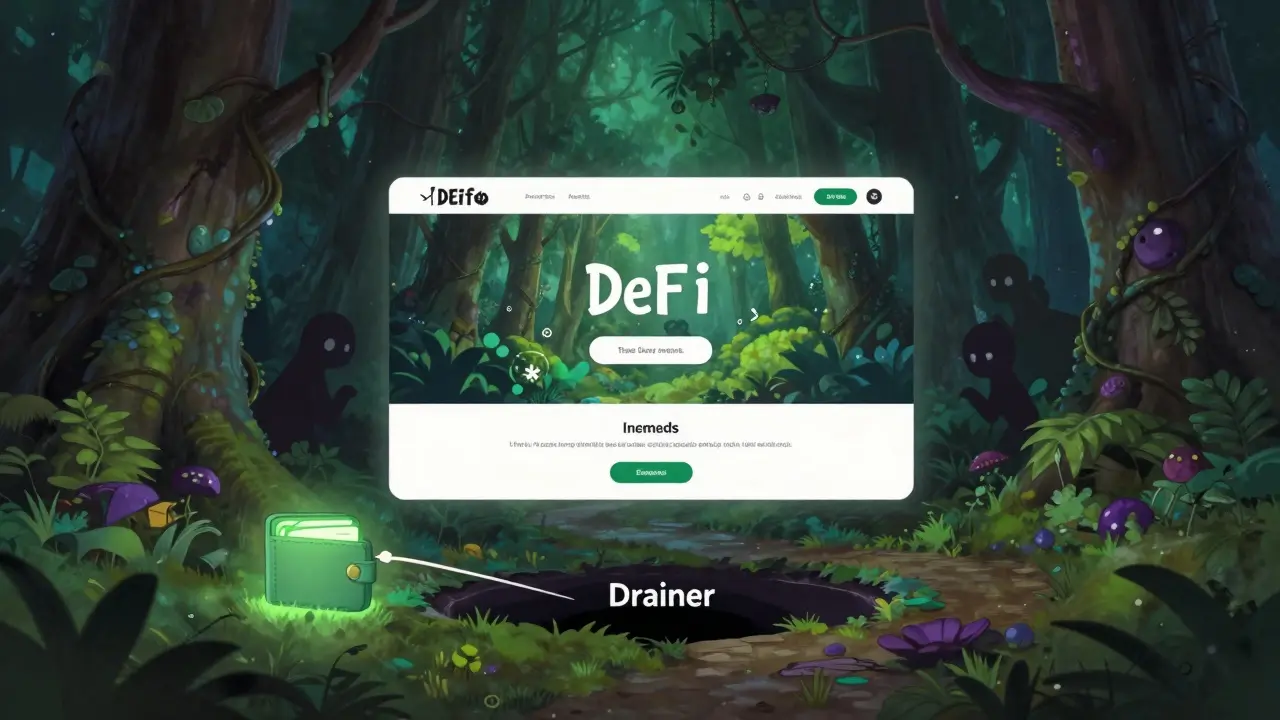
- The Trap: To claim your reward, you must connect your wallet. The site asks for permission to "view your balance" but includes a hidden malicious function. This is often called a "drainer."
- The Kill: Once you sign the transaction, the script executes. It doesn’t just take the tokens; it takes everything in your connected wallet-ETH, SOL, NFTs, and other stablecoins-and sends it to the scammer’s address.
This isn't theoretical. In 2025 and early 2026, millions of dollars were lost to fake airdrops involving names like "Bitcoin," "Ethereum," and various meme coins. The pattern is identical every time. Never connect your main wallet to an unverified site.
How to Verify Any Crypto Airdrop Before Participating
Not every unknown project is a scam, but every unknown project requires extreme caution. If you believe "IMM" refers to a legitimate new venture, follow this verification checklist. Do not skip a single step.
| Verification Step | What to Look For | Red Flag Indicator |
|---|---|---|
| Official Channels | Links from the project's verified Twitter/X account or official Discord server. | Links from random Telegram groups, DMs, or YouTube comments. |
| Smart Contract Audit | Audit reports from firms like CertiK, Hacken, or OpenZeppelin. | No audit, or an audit from an unknown, non-reputable firm. |
| Team Transparency | Doxed team members with verifiable professional histories. | Anonymous team with no prior track record in blockchain. |
| Tokenomics | Clear distribution schedule, vesting periods, and total supply cap. | Vague details about supply or unlimited minting capabilities. |
| Community Engagement | Active, organic discussion in forums and social media. | Bots posting generic hype comments like "To the moon!" |
If the "IMM" project fails any of these checks, walk away. There is no reward worth losing your life savings. Legitimate airdrops are marketing tools for projects that want to build a long-term ecosystem. They invest heavily in security and transparency because they need users to trust them with real value.
Safe Practices for Claiming Legitimate Airdrops
Even if you find a verified project, participating in airdrops carries risks. Here is how seasoned crypto investors protect themselves while still capturing potential upside.
Use a Burner Wallet
Never use your primary wallet-the one holding your long-term savings-for airdrop farming. Create a separate "burner" wallet. Fund it only with the minimum amount of gas fees required to interact with the protocol. If the project turns out to be malicious or the smart contract has a bug, your main assets remain untouched. Tools like MetaMask, a popular software cryptocurrency wallet allow you to create multiple accounts easily.
Revoke Permissions Regularly
When you interact with a DeFi protocol, you grant it permission to access your tokens. Even after you finish claiming an airdrop, that permission might remain active. Use services like Revoke.cash, a tool to manage wallet approvals to check and revoke unnecessary allowances. This prevents compromised contracts from draining your wallet later.
Verify Contract Addresses Manually
Copied links can be swapped out by hackers using clipboard malware. Always copy the token contract address directly from the project's official documentation or a trusted aggregator like CoinMarketCap or CoinGecko. Paste it into your wallet manually. Double-check every character. A single wrong digit can send your funds to a void address.

Alternative Opportunities in the 2026 Landscape
While the "IMM" airdrop remains unverified, the broader airdrop ecosystem is thriving. Many established protocols are preparing for future distributions. Instead of chasing ghosts, consider interacting with these high-potential ecosystems that have strong fundamentals and active development teams.
- Monad: A high-performance EVM-compatible chain focusing on parallel execution. Early testers may benefit from future incentives.
- Abstract Chain: A consumer-focused Layer 2 built for seamless user experiences. Engaging with their testnet activities is a common strategy.
- Pump.fun: While controversial, its integration with Solana has created unique opportunities for early participants in meme coin launches.
- Hyperliquid: A high-performance perpetual exchange. Active trading and liquidity provision on their platform have historically rewarded users.
These projects have clear roadmaps, funded treasuries, and visible progress. Interacting with them involves real usage-swapping tokens, providing liquidity, or voting on governance proposals. This "activity-based" approach is far safer than clicking links promising free money for doing nothing.
What to Do If You Already Connected Your Wallet
If you connected your wallet to a suspicious IMM airdrop site, act immediately. Time is critical.
- Disconnect: Go to your wallet settings and disconnect the site immediately.
- Move Funds: Transfer all remaining assets from that wallet to a new, secure wallet. Do not leave anything behind.
- Revoke Approvals: Use Revoke.cash to remove all token approvals granted to the suspicious contract.
- Monitor Activity: Check blockchain explorers like Etherscan or Solscan for any outgoing transactions you didn't authorize. Report them if possible.
Do not try to "recover" stolen funds through third-party services. Most recovery scams are secondary traps. The best recovery is prevention for next time.
Is the IMM airdrop legit?
As of July 2026, there is no verified, legitimate project known as "IMM" conducting a major airdrop. Be extremely cautious. Most references to an IMM airdrop are likely scams or phishing attempts designed to steal your crypto assets. Always verify the source through official channels before connecting your wallet.
How can I tell if a crypto airdrop is a scam?
Look for these red flags: anonymous teams, lack of smart contract audits, pressure to act quickly, requests to connect your main wallet, and domains that mimic popular brands. Legitimate airdrops come from well-known projects with transparent roadmaps and active, verified social media presence.
Should I use my main wallet for airdrops?
No. Never use your primary wallet for unverified airdrops. Use a separate "burner" wallet with minimal funds. This limits your exposure if the project is malicious or if you accidentally approve a harmful transaction.
What should I do if I connected my wallet to a fake airdrop site?
Immediately disconnect the site, move all remaining funds to a new secure wallet, and revoke all token approvals using a tool like Revoke.cash. Monitor your transaction history for unauthorized activity and report any theft to relevant authorities.
Are there any safe airdrops to participate in 2026?
Yes, but they require research. Focus on established protocols with active development, such as Monad, Abstract Chain, or Hyperliquid. Engage with their testnets or mainnet features organically. Avoid projects that promise guaranteed rewards for simple clicks without substantial interaction.








0 Comments