You’ve likely seen the headlines. A musician launches a token that lets fans vote on their next album cover. A streamer creates a membership coin that pays out dividends from ad revenue. It sounds like magic, but it’s actually just math and code working together to solve a massive problem: creator token models are reshaping how digital talent gets paid.
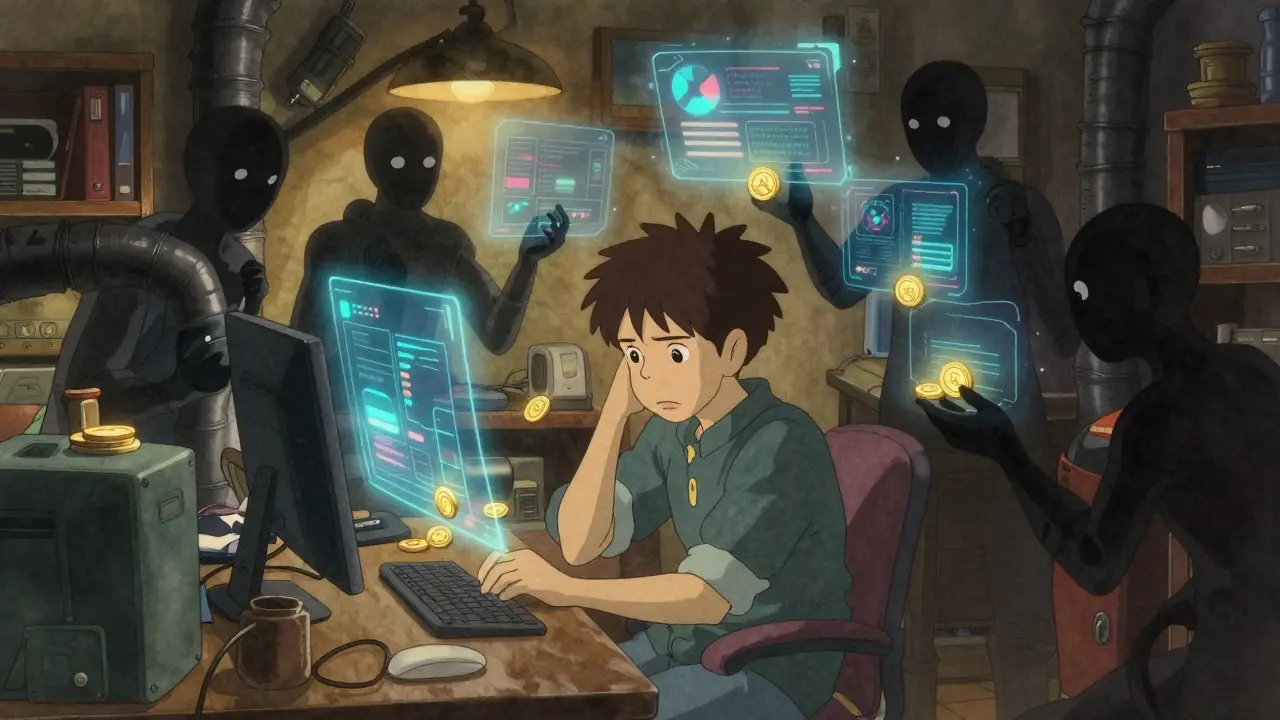
For years, creators have been trapped in a cycle of algorithm dependency. Platforms take a huge cut, change the rules overnight, and leave you guessing if your next post will pay the bills. Creator tokens flip this script. They move the relationship from a broadcast model-where you shout into the void-to an ownership model, where your most dedicated supporters literally hold a stake in your success.
This isn’t about getting rich quick with crypto hype. It’s about building sustainable, direct economic loops between creators and communities. If you’re looking to understand how these systems work, why they matter in 2026, and whether they’re right for you, you’re in the right place.
The Core Problem: The Platform Trap
Let’s look at the old way first. You create content on YouTube, Instagram, or TikTok. These platforms provide the audience, but they also control the distribution. This is often called the "rented land" problem. You build a house (your audience) on land you don’t own (the platform). If the landlord raises the rent (takes a higher cut) or changes the zoning laws (algorithm updates), your house becomes less valuable instantly.
Centralized Platforms are digital intermediaries that host content and mediate interactions between creators and audiences, typically retaining significant control over monetization and data. In this model, the creator has no direct financial link to their top fans beyond occasional donations. There is no shared risk, and no shared reward structure that aligns long-term interests.
Creator token models attempt to fix this by removing the middleman from the economic equation. Instead of hoping the algorithm shows your video to someone who might buy your merch, you sell a token directly to the people who already love what you do. This creates a closed-loop economy where value stays within the community.
What Exactly Is a Creator Token?
A creator token is a digital asset issued by an individual or brand to represent value, access, or governance within their specific ecosystem. Unlike Bitcoin, which aims to be a universal currency, or Ethereum, which powers a global computer, a creator token is hyper-local. Its value is tied almost entirely to the reputation, output, and engagement of the creator who issued it.
Think of it like a supercharged loyalty card. Old-school loyalty cards gave you points for coffee. Creator tokens give you utility, status, and sometimes profit-sharing rights. But because they live on the blockchain, they are transparent, secure, and tradeable.
Blockchain Technology serves as the underlying distributed ledger infrastructure that enables secure, transparent, and programmable transactions without central authority. Most creator tokens today run on networks like Ethereum, Polygon, or Solana. These chains offer different trade-offs. Ethereum is secure but can be expensive; Polygon is cheap and fast; Solana handles high throughput for gaming and real-time interactions.
The Three Main Models of Creator Tokens
Not all tokens are created equal. When we talk about creator token models, we’re usually referring to one of three distinct structures. Understanding the difference is crucial because each serves a completely different purpose.
| Model Type | Primary Function | Value Driver | Risk Level |
|---|---|---|---|
| Utility/Access Tokens | Gating content, events, or merchandise | d>Perceived value of exclusive access | Low-Medium |
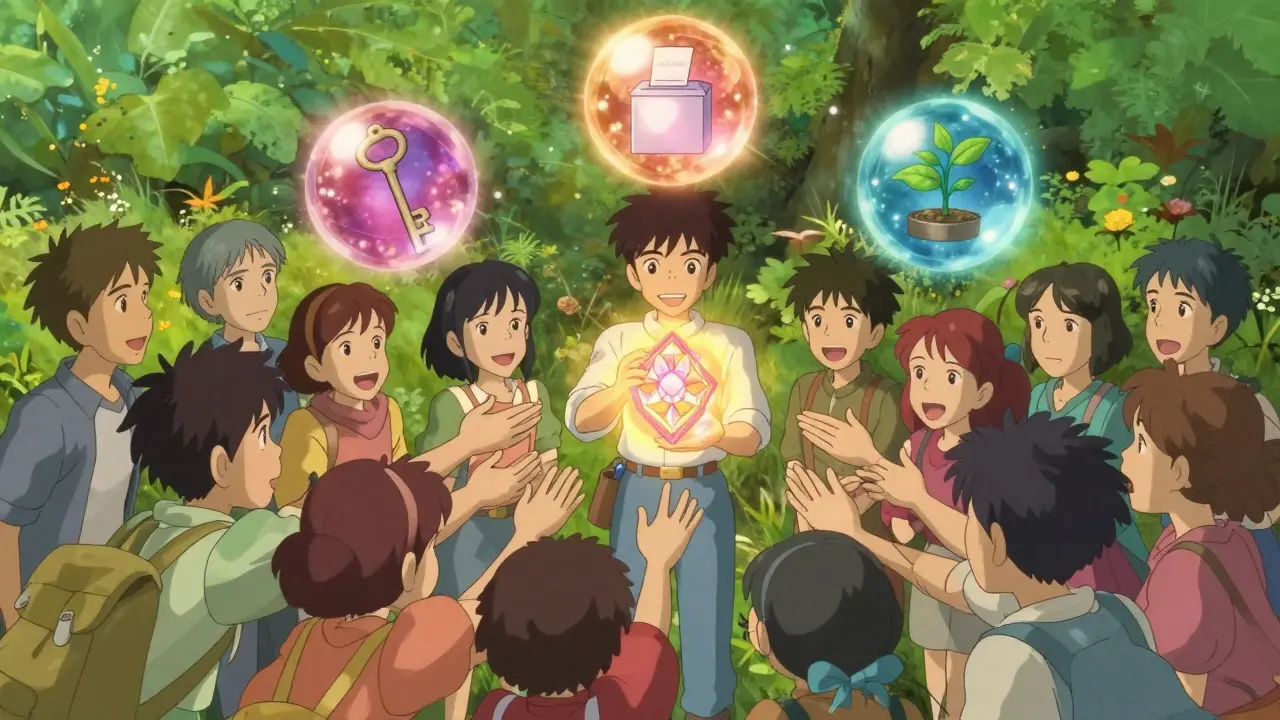
| Governance Tokens | Voting rights on creative decisions | Community influence and engagement | Medium |
| Revenue-Sharing Tokens | Dividends from creator income | Actual cash flow and profits | High |
1. Utility and Access Tokens
This is the most common starting point. You hold the token to get into the club. Maybe holding 5 tokens grants you access to a private Discord channel. Holding 100 tokens gets you a front-row seat at a virtual concert or early access to a new product drop. The value here is subjective-it depends on how much the community values that exclusivity. If the creator stops producing good content, the token loses its utility.
2. Governance Tokens
Here, the community gets a say. Fans might vote on the next song title, the color scheme of a new apparel line, or even which charity the creator donates to. This model builds intense loyalty because fans feel like co-creators. However, it requires the creator to actually listen and implement those votes. If fans vote and nothing happens, trust erodes quickly.
3. Revenue-Sharing Tokens
This is the most controversial and potentially lucrative model. A percentage of the creator’s income-from ads, sponsorships, or sales-is automatically distributed to token holders via smart contracts. This turns fans into investors. While powerful, it walks a fine line with securities laws. In many jurisdictions, promising returns based on the efforts of others can classify a token as an unregistered security, inviting regulatory scrutiny.
Why Smart Contracts Matter Here
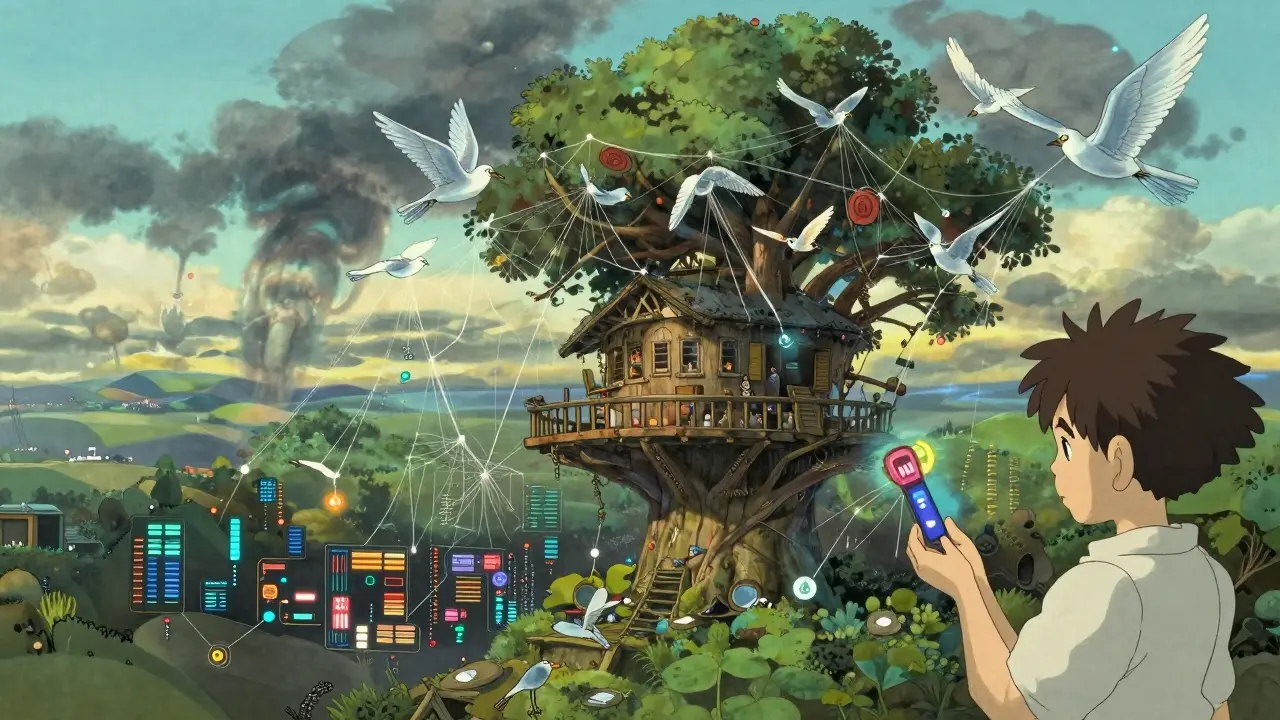
The magic behind these models isn’t just the token itself; it’s the automation. Smart Contracts are self-executing programs stored on a blockchain that automatically enforce terms when predefined conditions are met.
In a traditional Patreon setup, the creator manually sets up tiers and hopes the platform doesn’t freeze their account. With a smart contract, the rules are coded. If a user holds Token X, they automatically receive Access Y. If the creator earns $10,000 in royalties, the contract automatically sends 10% to all Token Z holders. No middleman, no delays, no censorship. This transparency builds trust, which is the most valuable currency in the creator economy.
The Risks You Can’t Ignore
It’s not all sunshine and passive income. Creator token models come with significant risks that both creators and buyers need to understand.
- Volatility: Crypto markets are wild. A token might be worth $10 one day and $1 the next due to market sentiment, not because the creator did anything wrong. This can discourage casual fans who fear losing money.
- Liquidity Issues: Many creator tokens are illiquid. You might want to sell your tokens, but if there’s no active marketplace, you’re stuck holding them. Unlike stocks, you can’t always find a buyer instantly.
- Regulatory Uncertainty: Governments are still figuring out how to regulate digital assets. What was legal in 2024 might be scrutinized in 2026. Creators must consult legal experts to ensure their token structure complies with local securities laws.
- Reputation Risk: If a creator behaves poorly, the token price crashes. Conversely, if a creator scams their community, the backlash can destroy their entire career. The direct link between personal behavior and financial value is a double-edged sword.
How to Launch a Creator Token Model
If you’re a creator thinking about this, don’t just mint a token and hope for the best. You need a strategy. Here is a practical checklist for getting started.
- Define Your Value Proposition: Why should someone buy this token? Is it for access? For voting? For profit? Be clear. Vague promises lead to vague adoption.
- Choose Your Blockchain: Consider transaction costs and speed. For high-frequency micro-transactions, Layer 2 solutions like Polygon or Base are often better than mainnet Ethereum.
- Build Community First: Never launch a token to an empty room. Engage your audience on social media first. Explain the benefits. Get feedback. A token is useless without a community to support it.
- Consult Legal Experts: This is non-negotiable. Ensure your token does not violate securities regulations in your target markets.
- Start Small: Launch a pilot program. Issue a limited number of tokens to your most loyal fans. Test the utility. Gather data. Iterate before scaling.
The Future: Beyond Simple Tokens
We are moving past the era of simple "fan coins." The next wave involves NFTs (Non-Fungible Tokens) acting as dynamic keys. Imagine an NFT that evolves based on your interaction with the creator. The more you engage, the more valuable the NFT becomes. Or fractional ownership models where fans collectively own the copyright to a piece of art or music, sharing in its licensing revenue forever.
As interoperability improves, your creator token from one artist might unlock discounts with another artist in the same network. We are seeing the rise of creator DAOs (Decentralized Autonomous Organizations), where groups of creators pool resources and govern themselves through token-based voting. This shifts the power dynamic from individual influencers to collaborative communities.
The creator economy is maturing. It’s no longer just about posting content; it’s about building institutions. Creator token models are the foundational technology for this shift. They allow for direct, transparent, and equitable relationships between talent and audience. While the risks are real, the potential for sustainable, independent creative careers has never been higher.
Are creator tokens legal?
Legality varies significantly by jurisdiction. Utility tokens that provide access or services are generally safer, but tokens that promise financial returns may be classified as securities. Always consult with a qualified attorney specializing in crypto law before launching a token model.
Do I need coding skills to create a creator token?
Not necessarily. Many no-code platforms now allow creators to mint tokens and set basic utilities. However, for custom features like revenue sharing or complex governance, you will likely need a developer or a technical team to write and audit smart contracts.
How do fans buy creator tokens?
Fans typically use a crypto wallet (like MetaMask or Phantom) to connect to the creator’s website or a decentralized exchange. They swap established cryptocurrencies (like ETH or SOL) for the creator’s token. Some platforms are beginning to offer fiat on-ramps to simplify this process for non-crypto natives.
What happens if the creator stops creating content?
The token’s value usually drops significantly because its primary utility-access to the creator’s work-is gone. In governance models, the community might vote to repurpose the funds or dissolve the project. This highlights the importance of diversifying your investments rather than putting everything into one creator’s ecosystem.
Can I sell my creator tokens later?
Yes, if there is a secondary market for them. Liquidity varies wildly. Popular creators with active trading pairs on decentralized exchanges make selling easy. Niche creators may have very few buyers, making it difficult to exit your position without accepting a lower price.


0 Comments